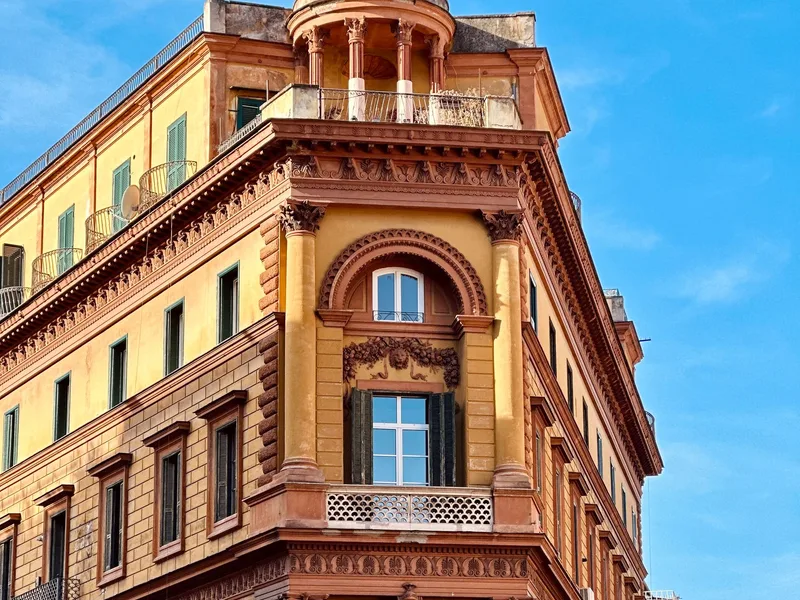
ROM.NBHD· District
Testaccio
Rome Neighbourhood Guide
Authentic, local, food-obsessed
The birthplace of Roman cucina povera — built around a 19th-century slaughterhouse whose off-cuts became carbonara, coda alla vaccinara, and trippa. The covered market, a hill made entirely of ancient amphora shards, and the city's best trattorias all sit within a few streets.
To understand why Roman food tastes the way it does, you have to come here. Testaccio was the city's river port in antiquity and its slaughterhouse district from 1890 until 1975, and both facts are still on the menu tonight.
The men at the Mattatoio were paid partly in offal. The good cuts went to the nobility, the clergy, the bourgeoisie and the soldiers; what was left over was the quinto quarto, the fifth quarter, and it went home with the workers. What their wives did with oxtail, tripe and sweetbreads is now the backbone of Roman cooking, and this is still where it's done best.
A hill made of rubbish
Testaccio is flat, gridded, and almost entirely free of souvenir shops. Solid early-twentieth-century blocks, a market at the centre, and a decent chance you'll be the only foreigner in the room at lunch.
The landmark is Monte Testaccio, and it needs explaining because the explanation is better than the sight. It's a hill fifty metres high made entirely of smashed amphorae. Something like fifty-three million of them, olive-oil jars from Spain and North Africa that couldn't be reused because the oil went rancid in the clay, stacked deliberately and carefully over roughly three centuries. Romans call it Monte dei Cocci, the hill of shards. It is the largest surviving pile of ancient rubbish anywhere and it is genuinely one of the most extraordinary objects in Europe.
At night the base of it turns into a strip of clubs cut into the pottery. They stay cool in August for reasons that are entirely geological.
Piramide, and the pyramid
It's south of the centro on the east bank, below the Aventine and directly across the water from Trastevere.
Metro B to Piramide, named for the Pyramid of Cestius which is right there beside the station: a genuine 36-metre pyramid built as a tomb around 12 BC, during the brief and intense Roman craze for all things Egyptian after Cleopatra. It got absorbed into the city walls three centuries later and has been sitting in traffic ever since. From the station the market is seven minutes' walk.
From Trastevere, cross Ponte Testaccio on foot in about ten minutes. From the Colosseum, three stops on Line B or twenty-five minutes' walk.
What to eat, and where
This is the entire reason to come, so build a lunch or a dinner around it rather than passing through on the way somewhere.
Mercato di Testaccio replaced the old market hall in 2012 and is the best market in Rome for eating rather than shopping. Go at lunch. The food counters are the point and the good ones sell out by mid-afternoon. Mordi e Vai is the famous stall: a former butcher serving boiled beef in its own juices, packed into a roll until the bread gives up. Around €5. There's usually a queue of people in work clothes, which is the signal you want.
Flavio al Velavevodetto is built into the flank of Monte Testaccio itself, and there's a glass panel in the dining room so you can see the amphora fragments behind it. It's the reference point for the four Roman pastas: carbonara, cacio e pepe, amatriciana, gricia.
Felice a Testaccio does the cacio e pepe Romans argue about, tossed at the table in a hollowed wheel of pecorino. Book it, properly, in advance.
If you want the cheap version of all this, Trapizzino was invented on this street: a triangular pocket of pizza dough filled with the slow-cooked stews — pollo alla cacciatora, coda alla vaccinara — that would otherwise need a sit-down meal. About €4.50 and it works standing up.
Basing yourself here
Good for a second visit, or for anyone whose trip is genuinely organised around eating.
You get a real neighbourhood at noticeably lower prices, a Line B stop, and the best food in Rome within five minutes of the door. For a week that's an excellent trade. You come home in the evening to somewhere that isn't a tourist district, which matters more than people expect.
For a first three-day trip it's probably too far out. Twenty-five minutes to the Colosseum and considerably more to the Vatican adds up quickly when the clock is the constraint.
Testaccio: common questions
01What is Testaccio known for?
+
Food, first and last. It's the birthplace of Roman quinto quarto cooking and home to the city's best food market. Also Monte Testaccio, a hill built from fifty-three million broken Roman amphorae, and the clubs cut into its base.
02Is Testaccio worth visiting?
+
If you care about Roman food it's the single most worthwhile neighbourhood in the city. There are almost no conventional sights, so treat it as a meal with a walk attached rather than a sightseeing stop.
03How do I get to Testaccio?
+
Metro Line B to Piramide, then seven minutes on foot to the market. From Trastevere it's a ten-minute walk over Ponte Testaccio.
04When is Testaccio market open?
+
Monday to Saturday, roughly 07:00 to 15:30, closed Sundays. Go at lunchtime. The prepared-food stalls are the reason to be there and the best of them have sold out and shut by mid-afternoon.
Day Trips from Rome
Tivoli · Ostia Antica · Castelli Romani · Orvieto
Pick up at Fiumicino or Ciampino — free cancellation on most cars
Explore Testaccio
Plan Here →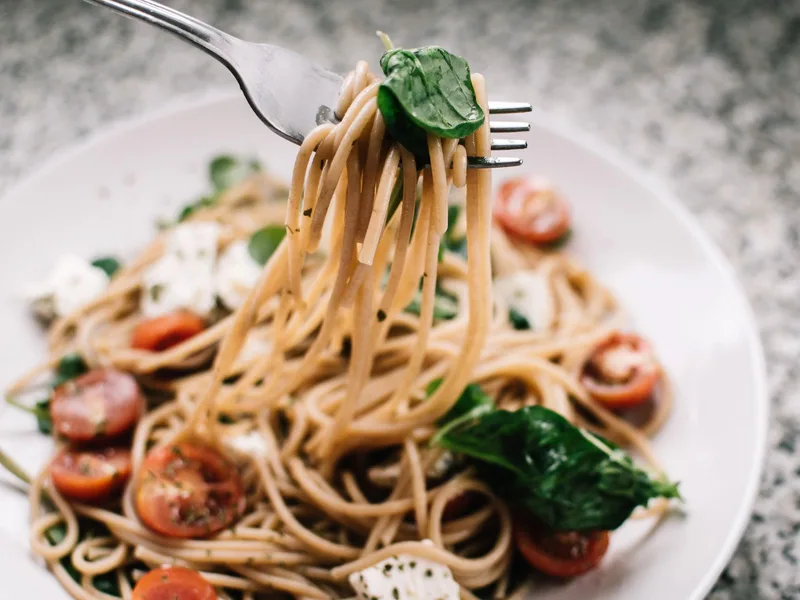
Flavio al Velavevodetto
Built directly into the side of Monte Testaccio — a hill made of two thousand years of shattered amphorae — this is the trattoria for amatriciana, gricia, and coda alla vaccinara done the old way.
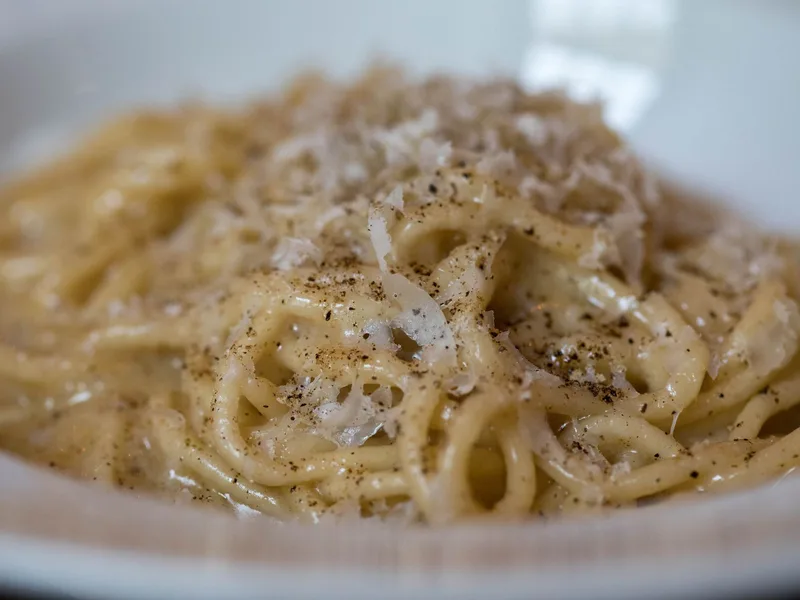
Felice a Testaccio
The cacio e pepe restaurant Romans argue about — tableside tossing in a hollowed Parmesan wheel, a dining room that's been family-run since 1936, and a queue that never really goes away.

Trapizzino
The birthplace of the trapizzino — a triangular pocket of pizza bianca stuffed with braised classics like pollo alla cacciatora or coda alla vaccinara. Invented here by Stefano Callegari; still the best version in Rome.
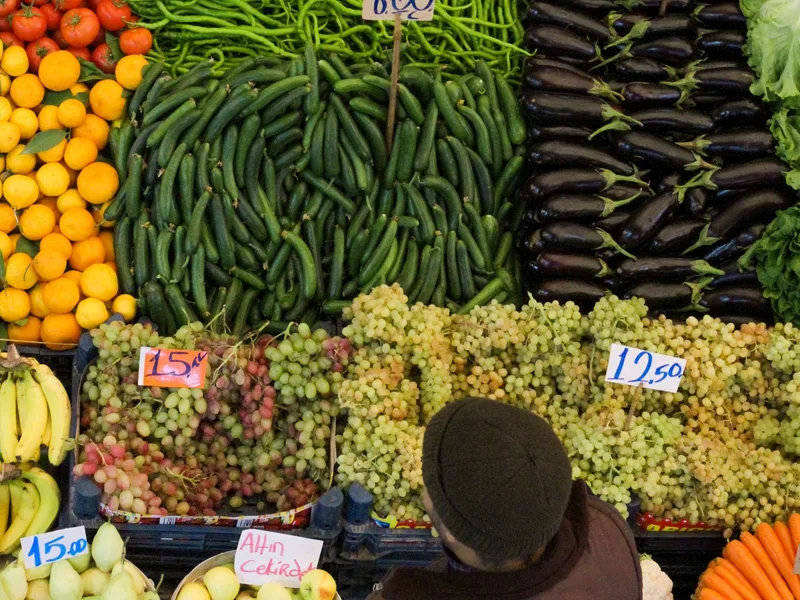
Mercato di Testaccio
A modern covered market with a cluster of food stalls turning out some of the best cheap eats in Rome — supplì, trapizzino, fresh pasta, and produce vendors who've been there for generations.
Roman Pasta-Making Class
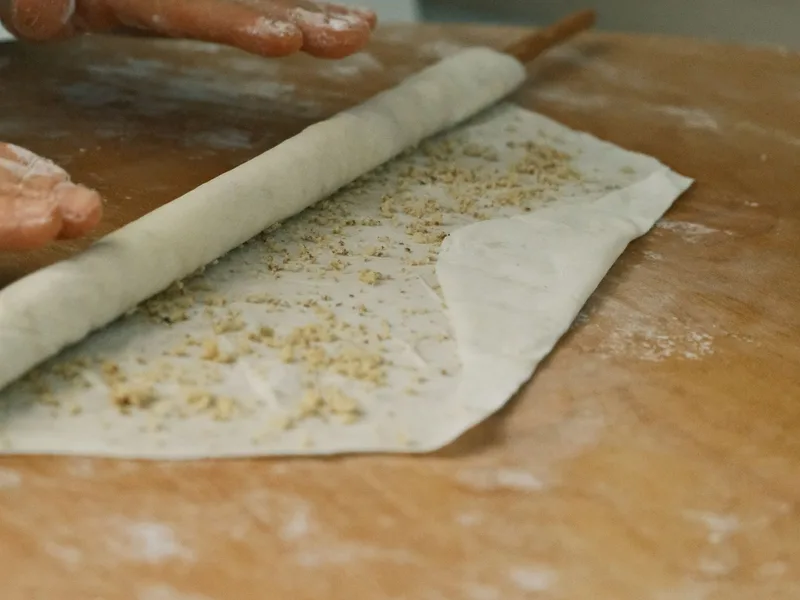
Hands-on class in a Testaccio kitchen — hand-roll tonnarelli, learn the emulsification trick behind proper cacio e pepe, and sit down to eat everything you made with a glass of local wine.