Landmarks
Rome Landmarks
From the Colosseum at sunrise to the dome of the Pantheon — the monuments that define the Eternal City.
Iconic Sites
8 landmarks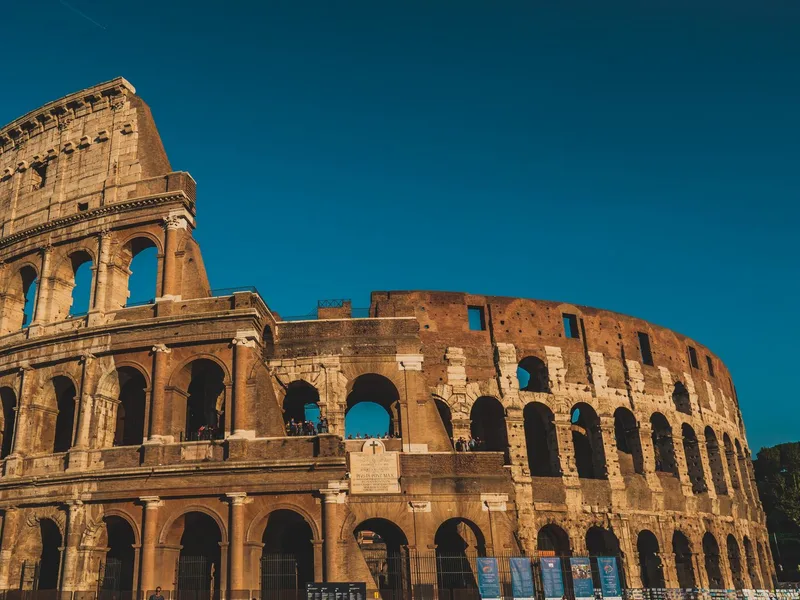
Featured
Colosseo
The largest amphitheatre ever built by the Roman Empire — 80 arched entrances, room for 55,000 spectators, and nearly 2,000 years of history under one travertine shell. Walk the arena floor reconstruction and look down into the hypogeum where gladiators and animals once waited.
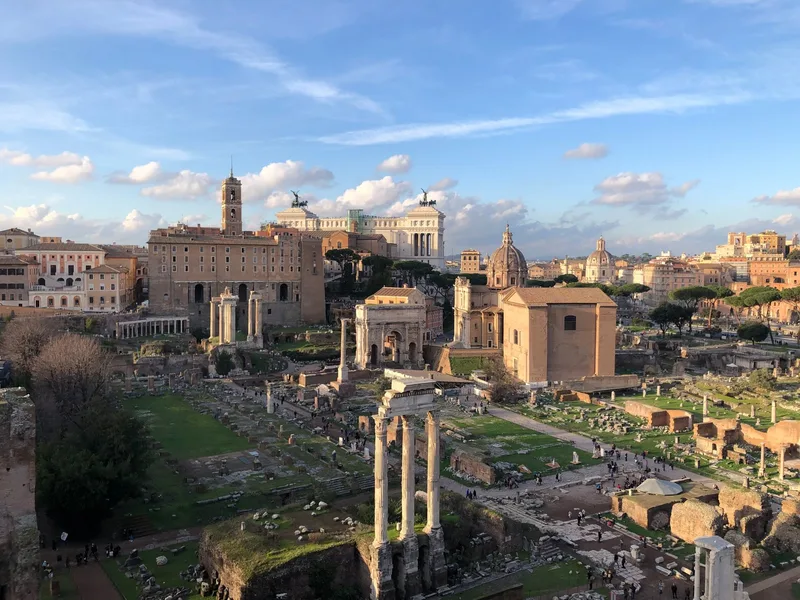
Foro Romano e Palatino
The political heart of the ancient world — temple columns, the Curia Senate house, the Arch of Titus, and the ruins of imperial palaces on the Palatine Hill above. Bring water, wear a hat, and give it at least two hours; this is where Rome actually happened.
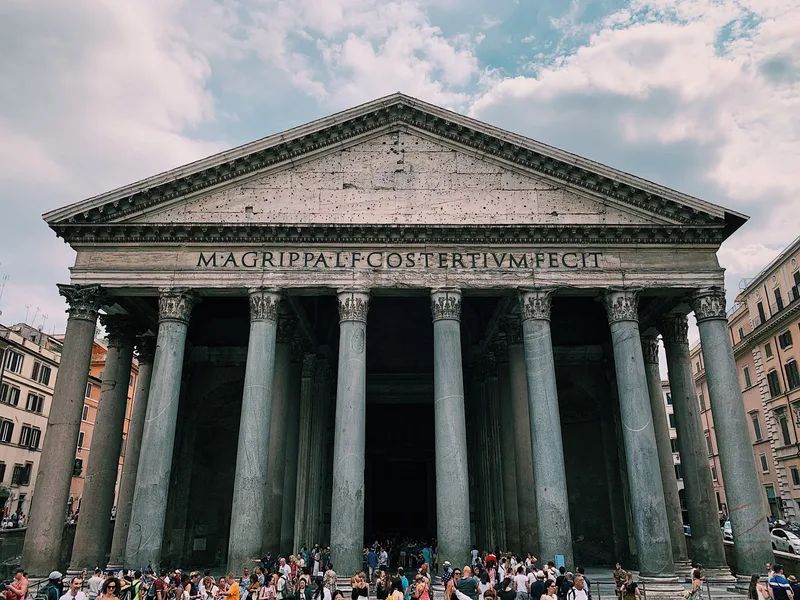
Pantheon
The best-preserved building of ancient Rome — a 2nd-century temple with the largest unreinforced concrete dome ever built, still standing 1,900 years later. A modest entry fee since 2023, always astonishing, and busiest around the oculus at midday when a single shaft of light crosses the floor.
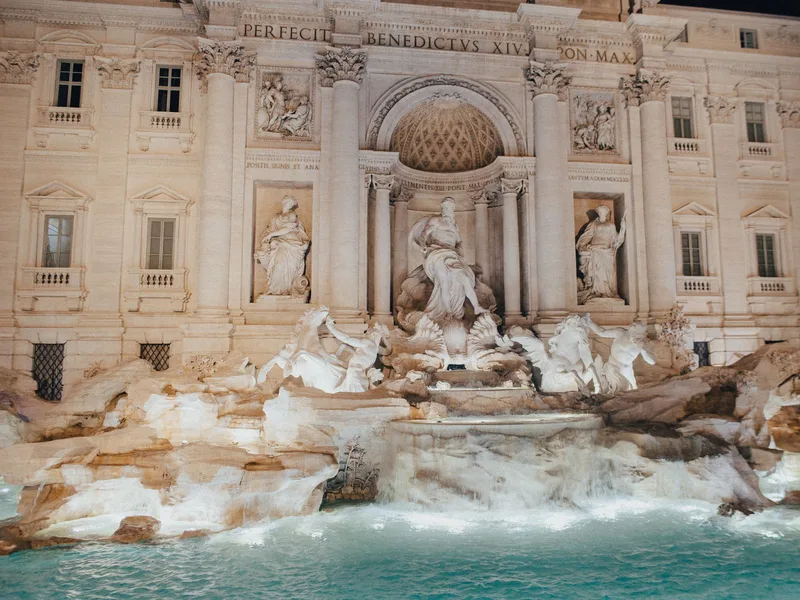
Fontana di Trevi
The most theatrical fountain in the world — Neptune's chariot carved into the side of a palazzo, 1,400 litres of water a second, and a coin-toss ritual (right hand, over the left shoulder) that supposedly guarantees a return to Rome. Come at dawn to see it without the crowds.
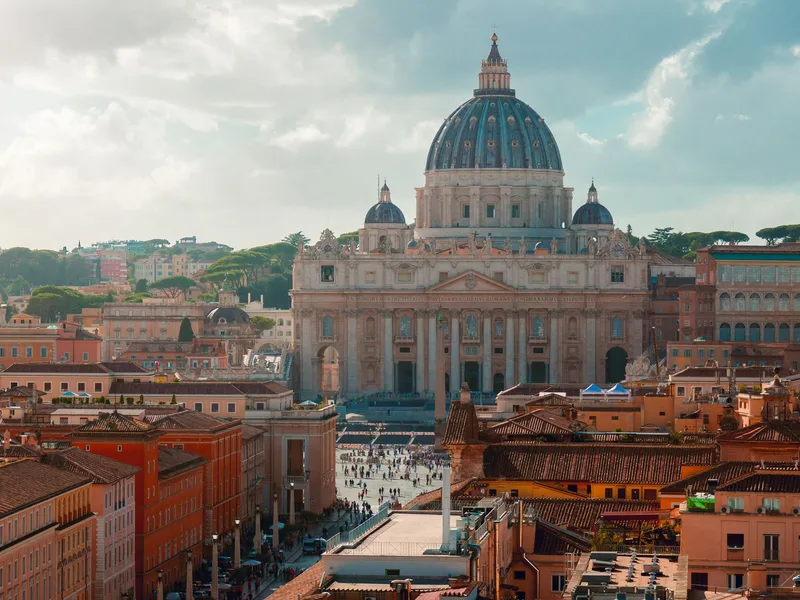
Basilica di San Pietro
The largest church in Christendom — Michelangelo's dome, Bernini's baldachin over the papal altar, and the Pietà behind glass to the right of the entrance. Free to enter; the dome climb (551 steps, partial lift) gives the best rooftop view in Rome.
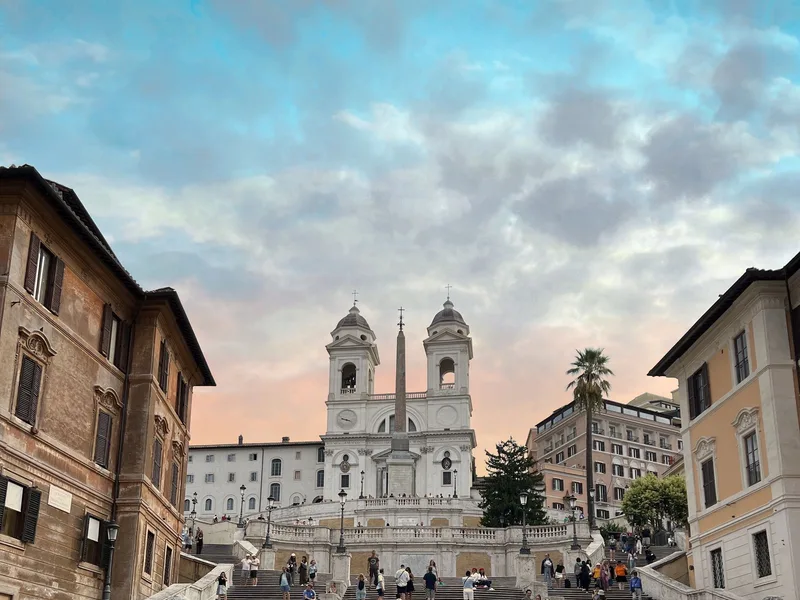
Piazza di Spagna & Scalinata di Trinità dei Monti
138 steps rising from the Barcaccia fountain to the twin bell towers of Trinità dei Monti — Rome's most photographed staircase and the traditional gathering point for the city's fashion crowd. Sitting on the steps is now banned and fined; admire from the sides instead.
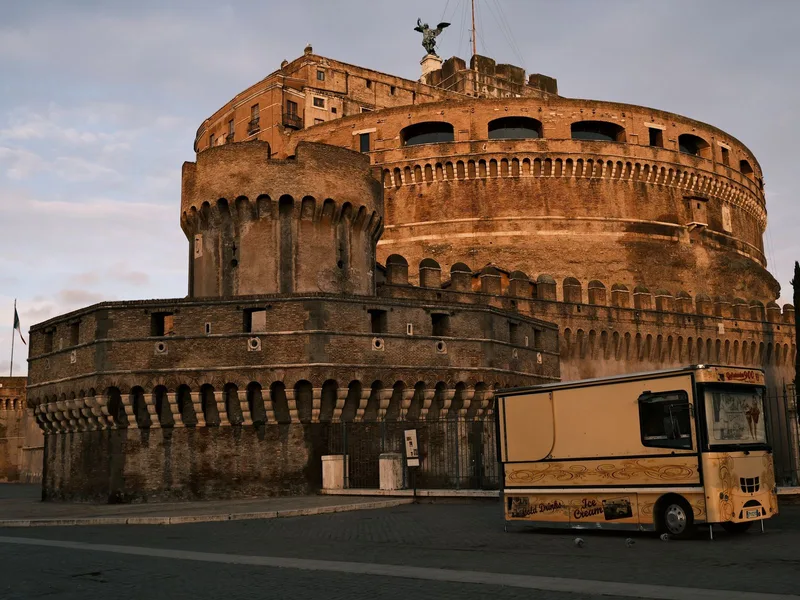
Castel Sant'Angelo
A 2nd-century mausoleum for Emperor Hadrian, later a papal fortress connected to the Vatican by a secret elevated passage. Climb the spiral ramp through 1,900 years of history to a rooftop terrace crowned by a bronze archangel, with one of the best views over the Tiber.
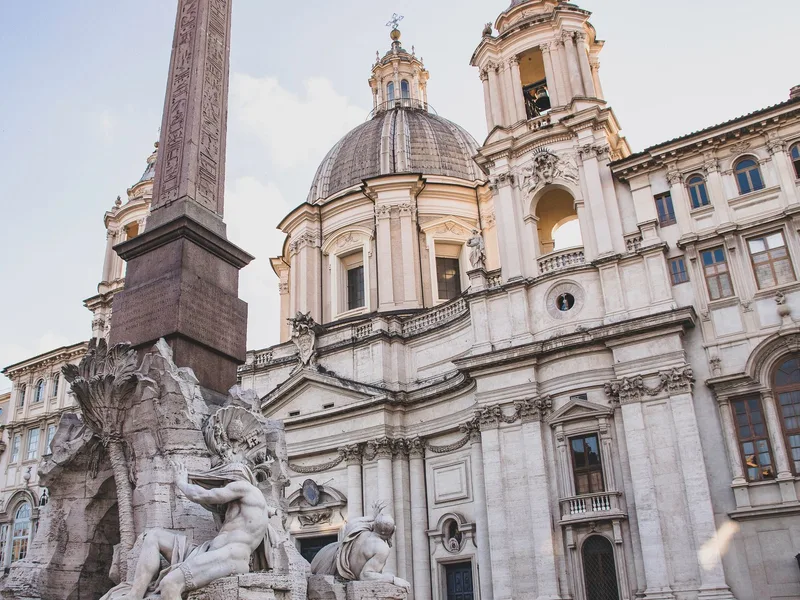
Piazza Navona
A Baroque theatre built on the footprint of a 1st-century stadium — Bernini's Fountain of the Four Rivers at its centre, street artists along the edges, and cafés that charge a fortune for the privilege of sitting here. Come for the obelisk, stay for the people-watching.
Book an Experience
See Rome With a Guide
Skip the queues and the guesswork. A knowledgeable guide brings 2,500 years of history to life in a single morning.