ROM.NBHD
Rome Neighbourhoods
Ten distinct districts. Ancient ruins next to coffee bars, flea markets beside Michelin stars. Choose your Rome.
Rome divides into rioni — twenty-two of them inside the old walls, plus the newer quartieri that grew up beyond. Nobody uses all the names. What people actually mean when they ask which part of Rome to go to is a much shorter list, and the ten below cover it.
The useful thing to know before choosing: the city is smaller than it photographs. The historic centre is about two kilometres across, and most of these districts are twenty minutes apart on foot. You are not picking a base you'll be trapped in — you're picking what you want outside the door at eight in the morning and eleven at night.
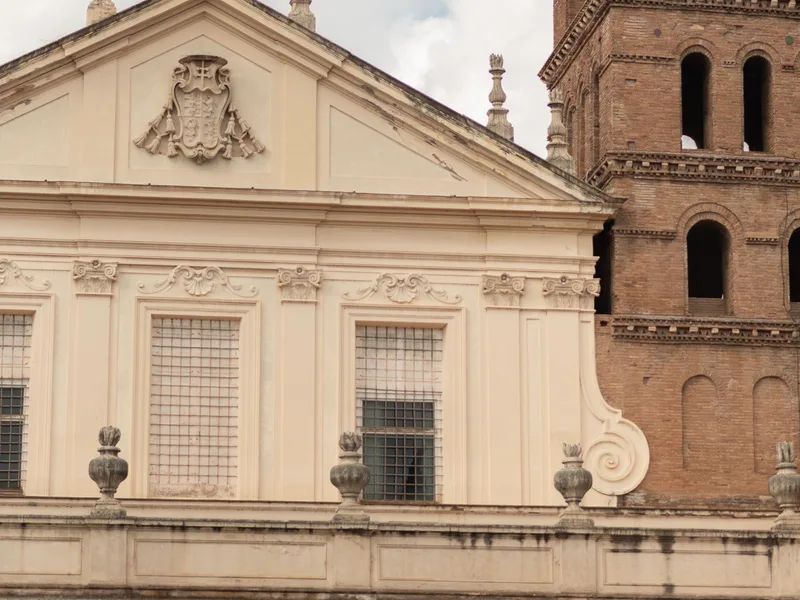
Buzzing, bohemian, riverside
Trastevere
Rome's river-crossed old quarter — cobblestone lanes, ivy-covered facades, and the city's densest concentration of trattorias and aperitivo bars. Come 19:00, every piazza fills with spritz glasses and the city's most sociable crowd.
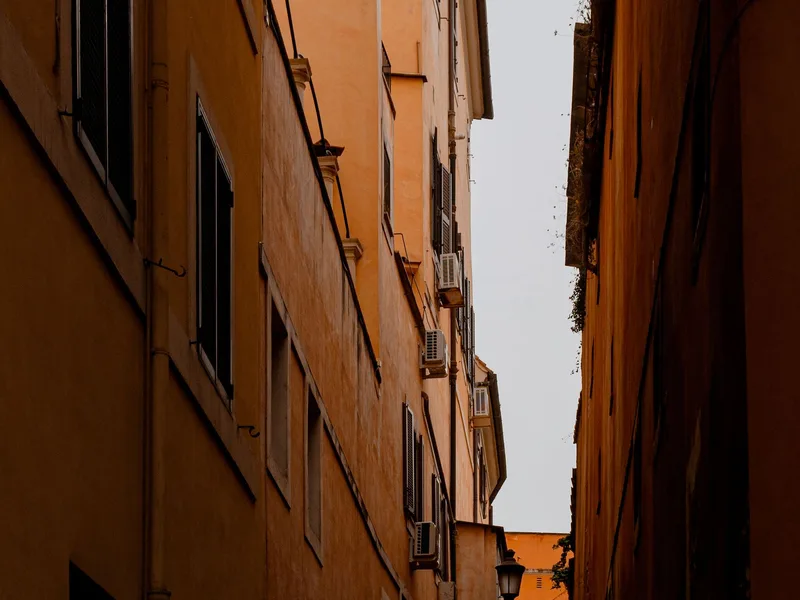
Artistic, elegant, refined
Monti
Rome's most beautiful rione — narrow boutique-lined streets, vintage shops, wine bars, and the ruins of Nero's Domus Aurea underfoot. Ancient and elegant in the same block, minutes from the Colosseum.
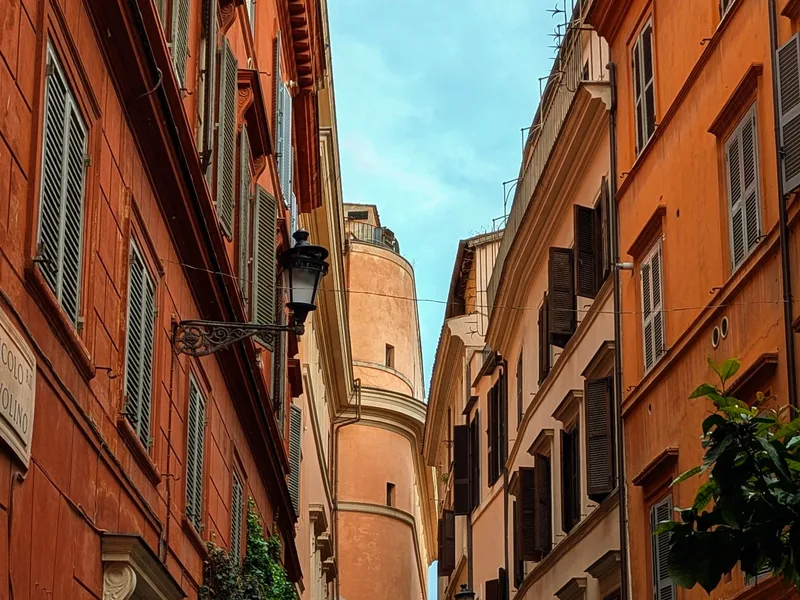
Grand, historic, touristy but essential
Centro Storico
The historic heart of Rome — the Pantheon, Piazza Navona, and a maze of alleys where every turn reveals another fountain or church. Where every visit begins, even if you spend most of your time elsewhere.
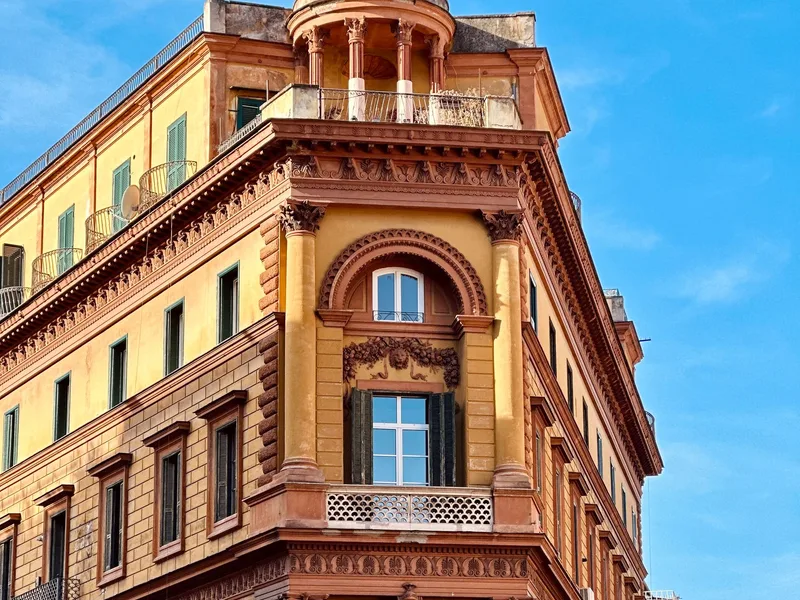
Authentic, local, food-obsessed
Testaccio
The birthplace of Roman cucina povera — built around a 19th-century slaughterhouse whose off-cuts became carbonara, coda alla vaccinara, and trippa. The covered market, a hill made entirely of ancient amphora shards, and the city's best trattorias all sit within a few streets.

Creative, independent, genuine
Pigneto
Rome's coolest neighbourhood — natural wine bars, street art, independent cinemas, and a former working-class district that Pasolini once filmed in. Where young Romans actually go once the tourist centre closes.
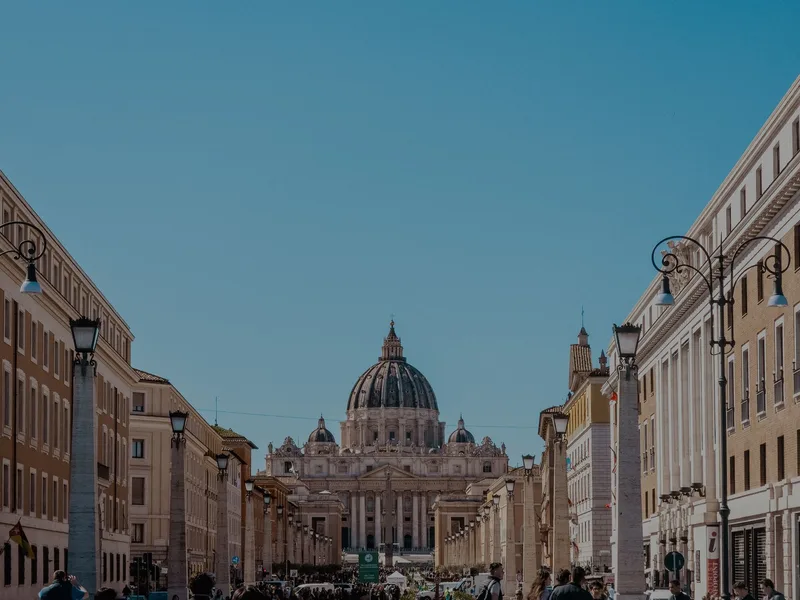
Elegant, residential, orderly
Prati
Elegant, orderly, and residential — wide 19th-century boulevards, upscale boutiques, and some of the best gelato and supplì in the city, all a short walk from St Peter's. The Vatican's civilised, un-touristy neighbour.
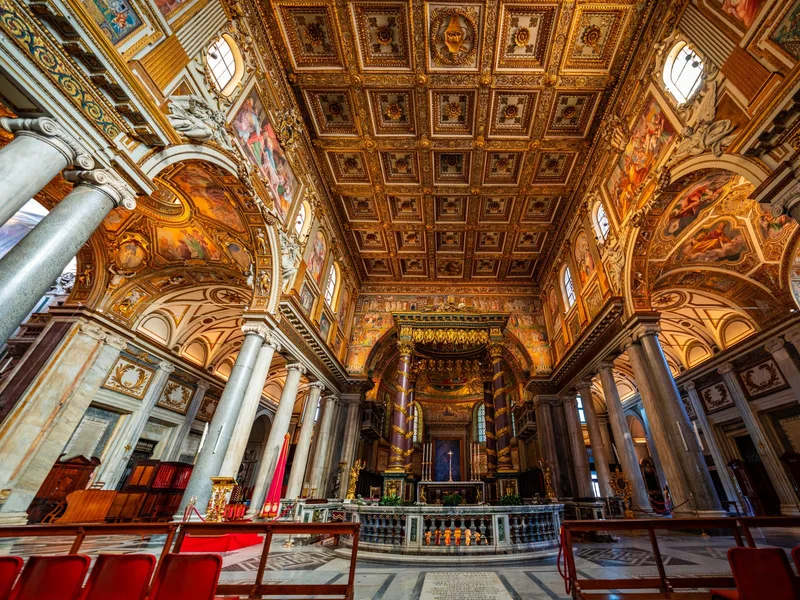
Cosmopolitan, diverse, unpretentious
Esquilino
Rome's most multicultural district, anchored by the Basilica di Santa Maria Maggiore and the produce stalls of Piazza Vittorio. Ethiopian, Chinese, Bangladeshi, and Roman kitchens sit side by side around Termini station.
Student, unpretentious, authentic
San Lorenzo
Rome's university district — student bars, cheap and excellent trattorias, and a wall-to-wall street art scene around La Sapienza. Where you eat like a Roman student and pay almost nothing for it.
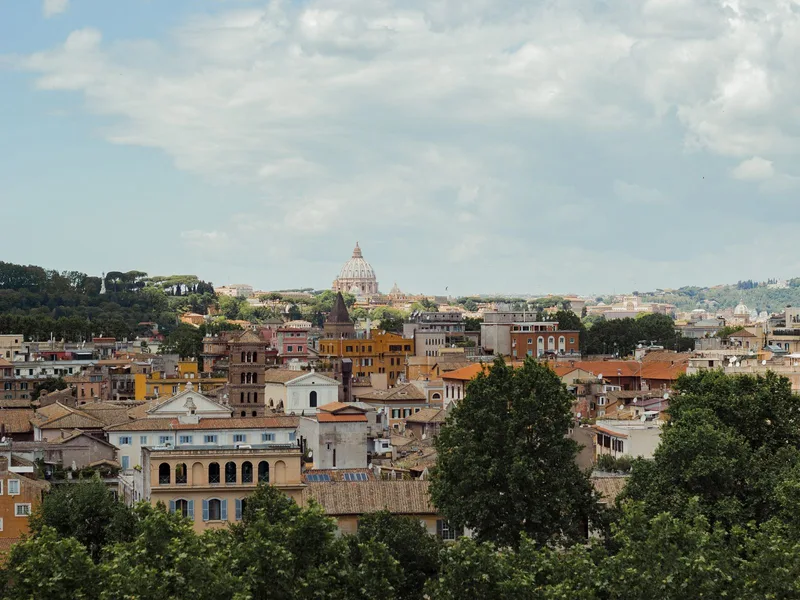
Quiet, elegant, residential
Aventino
A quiet hilltop escape above the crowds — orange gardens, the famous keyhole view of St Peter's dome framed by hedges, and some of the grandest villas in Rome. Ten minutes from the Circus Maximus, a world away in atmosphere.

Industrial, creative, nocturnal
Ostiense
Rome's industrial-chic quarter — a decommissioned gasometer, some of the largest street art murals in Europe, and the clubs and warehouse bars that keep the city up past 3am. Centrale Montemartini and the Piramide anchor the historic end.
Which district suits which trip
Rough sorting, based on the question people actually arrive with.
- MontiA first trip, walking everywhereFifteen minutes from the Colosseum, the Forum and Termini, with residents and wine bars still attached.
- Centro StoricoTwo nights, sights outside the doorThe Pantheon at seven in the morning is worth what you pay for it. Longer than that and the maths changes.
- TrastevereThe evening, and dinnerHighest density of trattorie in Rome and the best atmosphere after dark. Ask for a room facing the courtyard.
- PratiThe Vatican, families, actual sleepA proper metro line, bigger rooms, better food than the streets around the basilica.
- TestaccioYou came here to eatThe birthplace of Roman cooking, its best market, and the clubs cut into a hill of broken amphorae.
- AventinoQuiet, a view, a slower tripThe orange garden, the keyhole, and almost nothing else — which is the entire point.
- OstienseMurals, museums, late nightsRoman gods among power-station turbines, Europe's biggest street art, and clubs that outlast the metro.
- PignetoA night among RomansNatural wine, dive bars and Pasolini's old streets, at half the price of the centre.
- San LorenzoCheap pizza and student barsThe best-value pizza in the city, and the only district reliably busy on a Tuesday.
- EsquilinoAn early flight or a tight budgetEverything connects at Termini. Read the honest assessment before you book it.
Rome neighbourhoods: common questions
01What are the main neighbourhoods in Rome?
+
For visitors, ten matter: the Centro Storico, Trastevere, Monti, Testaccio, Prati, Aventino, Esquilino, Ostiense, Pigneto and San Lorenzo. Between them they cover the sights, the food, the nightlife and the places people actually stay. Officially the historic city is divided into twenty-two rioni, but nobody navigates by those names in conversation.
02Which is the best area to stay in Rome?
+
For a first visit, Monti — you can walk to the Colosseum, the Forum and Termini, it still has residents, and it's quiet after midnight in a way Trastevere is not. Prati is the better answer for families and for the Vatican, and Trastevere wins if the evenings matter more than the sleep.
03How far apart are Rome's neighbourhoods?
+
Closer than most people expect. The historic centre is roughly two kilometres across, and Trastevere, Monti and the Centro Storico are all within about twenty minutes of each other on foot. Testaccio, Ostiense, Pigneto and San Lorenzo sit further out and need a tram or a metro stop.
04Are there parts of Rome to avoid?
+
Very little of central Rome is genuinely unsafe, and violent crime against visitors is rare. The streets immediately south and east of Termini are the least pleasant after dark, and pickpocketing is a real and constant nuisance at the station, on the 64 bus and at Porta Portese on a Sunday morning. That's the honest extent of it.