ROM.NBHD· District
Trastevere
Rome Neighbourhood Guide
Buzzing, bohemian, riverside
Rome's river-crossed old quarter — cobblestone lanes, ivy-covered facades, and the city's densest concentration of trattorias and aperitivo bars. Come 19:00, every piazza fills with spritz glasses and the city's most sociable crowd.
Trastevere means "beyond the Tiber", and for most of Rome's history that was a polite way of saying the wrong side of it. This was where the tanners worked, where the boatmen lived, and where the smell came from. Nobody respectable had an address here until roughly the 1970s.
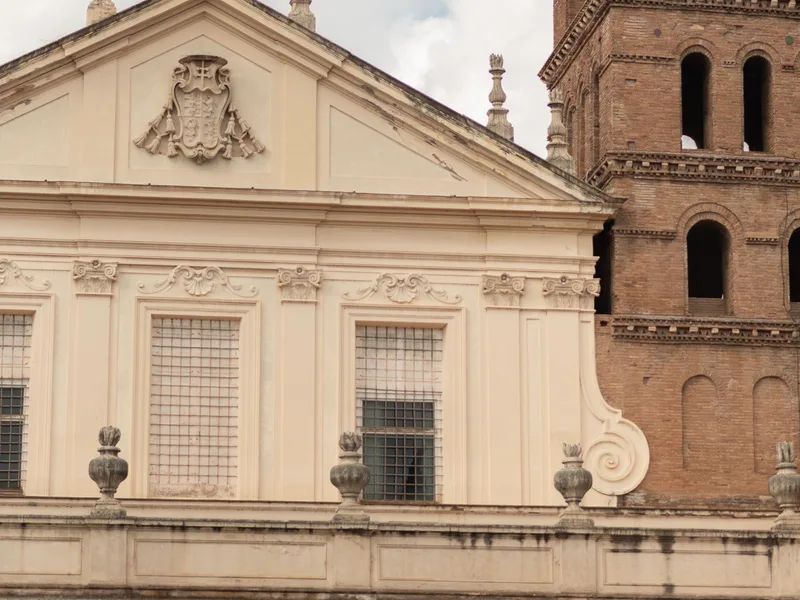
Which is exactly why it survived. The lanes were too narrow and too awkward for the grand nineteenth-century boulevards that carved up other parts of the centro, so the medieval plan is still there: ochre walls, washing on lines, ivy eating whole doorways, and a church on a square every few hundred metres.
Two neighbourhoods, twelve hours apart
Come at four in the afternoon and Trastevere is a quiet residential rione. Old women drag shopping trolleys over the sampietrini, the black basalt cobbles that will destroy your ankles if you wear anything with a heel. Cats sleep on scooter seats. You can sit on the fountain steps in Piazza Santa Maria in Trastevere with nobody bothering you, looking at the gold mosaics on the basilica facade, which have been there since the twelfth century and glow properly about an hour before sunset.
Come back at nine and it is the busiest place in Rome. Every trattoria has put tables in the street, the bars are three deep, and a good half the crowd is not Italian.
Both of these are true and people argue about the neighbourhood because they only saw one of them. If someone tells you Trastevere is a tourist trap, they came at nine. If someone tells you it is a sleepy medieval village, they came at four.
The 8 tram, and why there's no metro
Trastevere sits across the river from the centro, south of the Vatican. Walking from Largo di Torre Argentina over Ponte Sisto takes about fifteen minutes and is one of the better free things you can do here, particularly at dusk when the ponentino comes up the river. That's the westerly evening breeze off the coast, and in August it is the only reason the city is survivable after seven.
Otherwise: tram 8 from Piazza Venezia, getting off at Belli. Bus H from Termini does much the same job.
There is no metro station and there never will be one. You cannot dig here. Every attempt to put a tunnel under central Rome hits something archaeological and stops for four years, which is why Line C has been under construction since 2007 and why Trastevere still feels the way it does. Small mercies.
One warning that catches people every week: Stazione Trastevere, on the mainline rail network, is a kilometre south of the rione everybody means. If you're booking a room, check which one you're actually near.
Eating: walk two streets back
This is the densest concentration of trattorie in Rome and also the place where quality varies most, for the obvious reason that a lot of people eat here once and never return. The rule is simple. Anywhere with photographs of the food outside, or a man on the pavement inviting you in, is not for you. Walk two streets back from the main piazza and the picture changes completely.
Trattoria Da Enzo al 29 on Via dei Vascellari is the one everyone means. It is tiny, it takes bookings only for early sittings, and there will be a queue. Worth it. Order the carbonara and then do the thing Romans do at the end, mopping the plate with bread, which is called fare la scarpetta — literally "making the little shoe". Nobody will think less of you. Not doing it is the odd behaviour.
Dar Poeta does a Roman pizza with a slower-risen, slightly thicker base than the usual cracker-thin version, and takes the overflow when Da Enzo is full.
For aperitivo, Freni e Frizioni. The name means "brakes and clutches" because it was a mechanic's garage, and it more or less invented the drink-plus-buffet format in this city. Around €10 gets you a spritz and access to the food. It's full by eight and everyone spills out onto the terrace above Piazza Trilussa.
Staying here: the courtyard question
It comes down to whether you sleep through noise.
Everything good about Trastevere as a base is real. You can walk home from dinner. The centro is twenty minutes on foot. It feels like a place where people live rather than a hotel district, and the atmosphere at night genuinely is the best in the city.
The problem is that the streets are stone, the buildings are close, and the tables under your window are occupied until one in the morning, later at weekends. Roman palazzi are built around internal courtyards, and a room facing one is a different universe from a room facing the street. Ask for it explicitly when you book. Hosts know exactly what you mean and won't be offended.
If you'd rather not gamble, Monti is quieter and the same distance from the centro.
Trastevere: common questions
01Is Trastevere safe at night?
+
Yes. It's one of the busiest, best-lit and most walked parts of Rome after dark, which is generally what makes somewhere safe. The realistic risk is your phone leaving your back pocket in a crowded piazza, not anything worse. Bag zipped, worn in front, and you've dealt with most of it.
02How do I get to Trastevere from the Colosseum?
+
Tram 3 to Trastevere/Min. Istruzione, or about thirty minutes on foot along the river. There's no useful metro connection between the two, which surprises people.
03Is Trastevere worth visiting?
+
Yes, but come with your eyes open. It stopped being a local secret about twenty years ago and the main squares are firmly on the circuit. What it still has is the best-preserved medieval street plan in central Rome and a serious concentration of good kitchens. Both are worth an evening.
04What is Trastevere known for?
+
Nightlife, trattorie and aperitivo, the mosaics at Santa Maria in Trastevere, and its narrow ivy-covered lanes. It's also the traditional home of Romanesco, the Roman dialect, and of the Festa de' Noantri each July — the name means roughly "the festival of us lot", which tells you most of what you need to know about how the rione sees itself.
Day Trips from Rome
Tivoli · Ostia Antica · Castelli Romani · Orvieto
Pick up at Fiumicino or Ciampino — free cancellation on most cars
Explore Trastevere
Plan Here →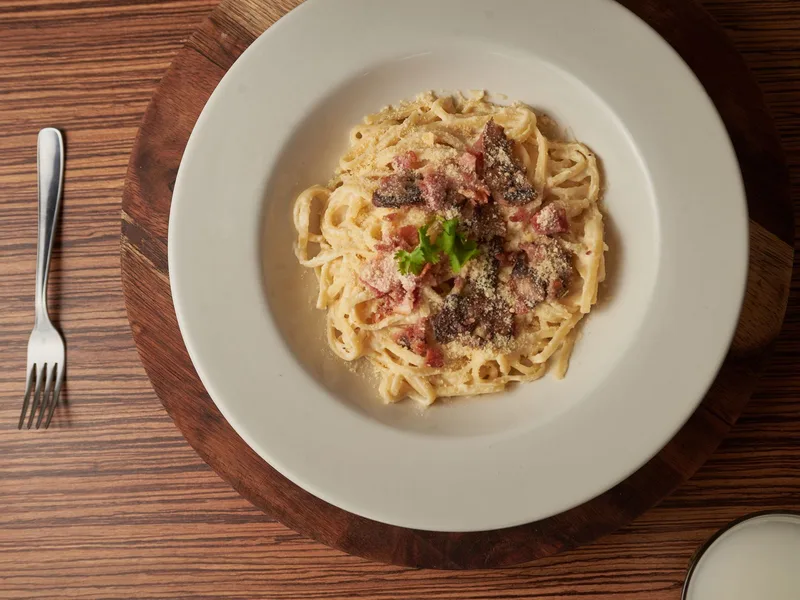
Trattoria Da Enzo al 29
A tiny Trastevere trattoria that draws queues down the street for the Roman trinity — cacio e pepe, carbonara, and amatriciana, all made the traditional way. No reservations, no shortcuts, no regrets.
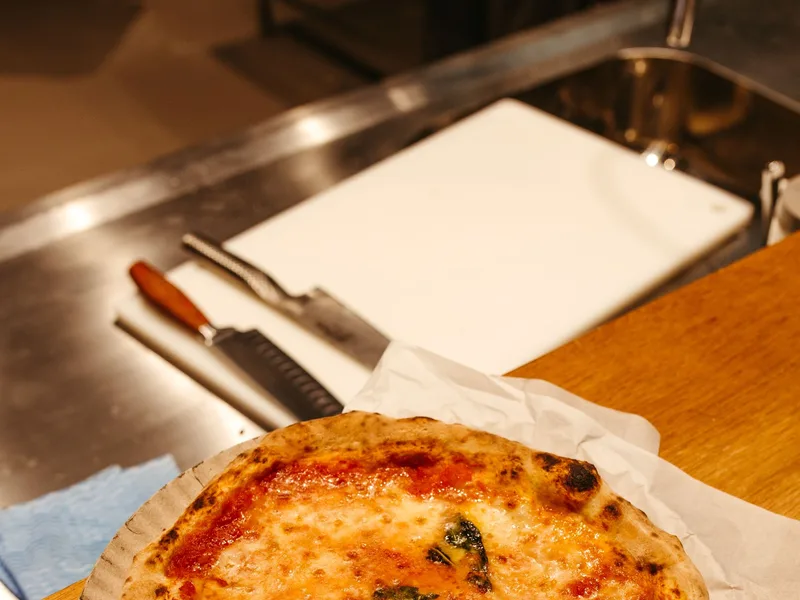
Dar Poeta
Trastevere's best-loved pizzeria — a thicker, longer-proofed Roman crust than most, a legendary Nutella-and-ricotta calzone for dessert, and a queue that starts before opening.
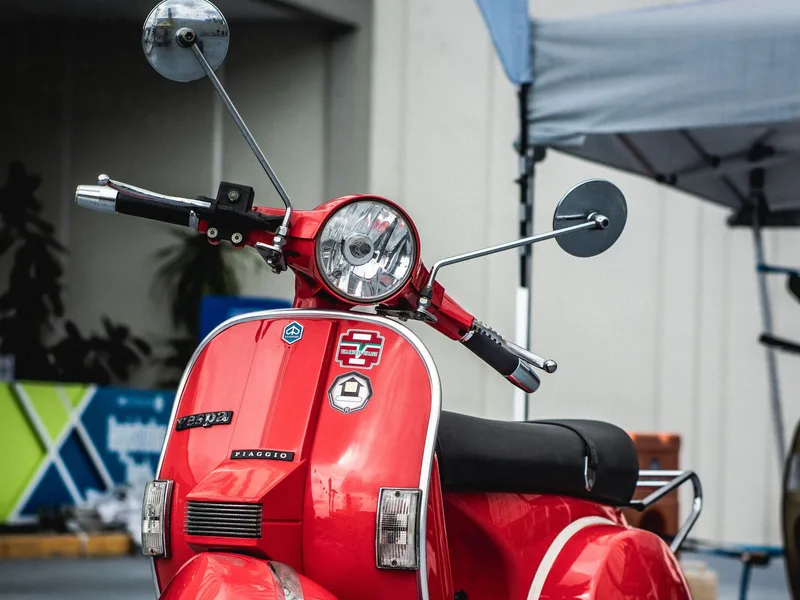
Vespa Sidecar Tour of Rome
Ride shotgun in a vintage Vespa sidecar past the Colosseum, along the Tiber, and up to the Aventine keyhole view — a driver does the work while you photograph the city from the road.
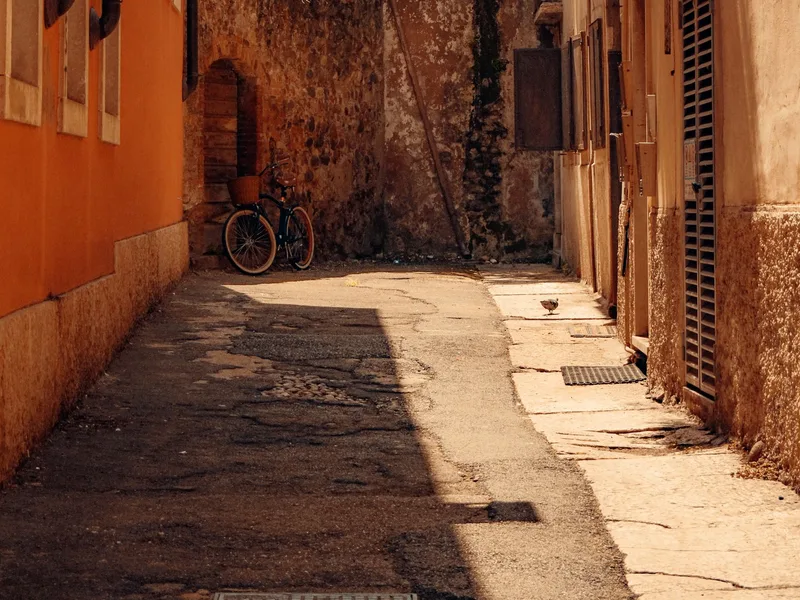
Trastevere Food & Wine Walking Tour
A three-hour crawl through Trastevere's back streets — supplì, pizza al taglio, a cheese-and-salumi stop, and enough local wine to make the maze of alleys feel entirely reasonable to get lost in afterward.
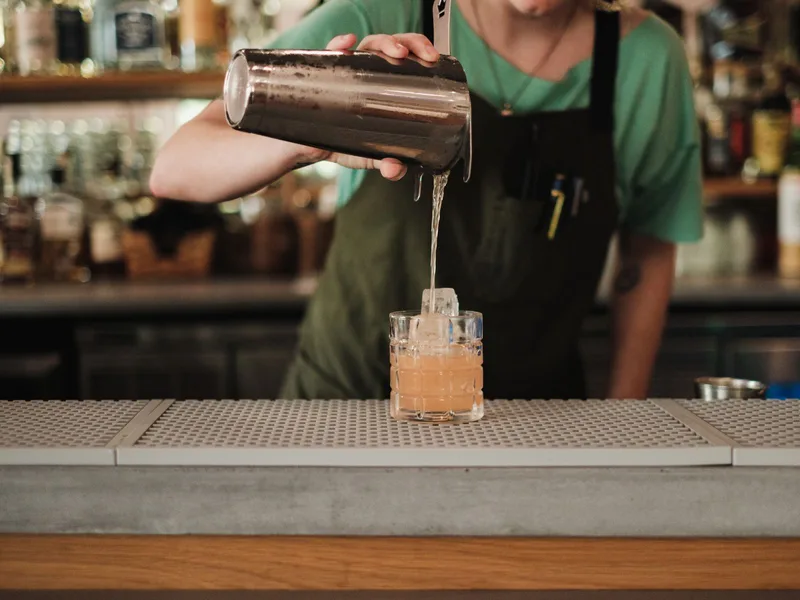
Freni e Frizioni
A former mechanic's garage in Trastevere turned into Rome's benchmark aperitivo bar — a generous buffet included with every drink, and a courtyard that fills up fast once the sun goes down.