All Guides/practical
practical · 3 min read
Getting Around Rome: A Practical Guide
Metro, buses, trams, and walking — how to actually get around Rome, which two-line metro system covers less than you'd expect, and when to just walk instead.
By Todo Rome · Published 2025-01-01
Rome's Metro Is Smaller Than You Think
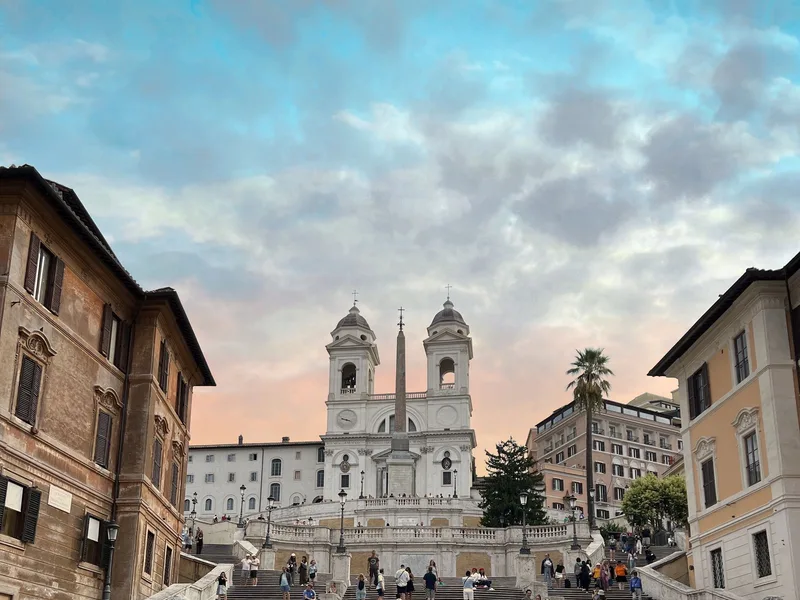
Rome has two full metro lines (A and B, crossing at Termini) and a short third line (C) that mostly serves the outskirts — a fraction of the coverage you'd expect for a capital city, largely because every excavation for a new line keeps unearthing archaeology that has to be studied first. Line A runs from the Vatican area through the Spanish Steps to San Giovanni; Line B serves the Colosseum, Circus Maximus, and Testaccio (Piramide). Between them, they cover most major sights, but the historic centre (Pantheon, Piazza Navona, Trastevere) has no station at all — walking or the tram is the only option.
Walking Is Often Faster
Central Rome is compact and largely flat where it matters — the distance from the Pantheon to the Trevi Fountain to the Spanish Steps is entirely walkable in under thirty minutes total, faster than working out a bus route for the same trip. Cobblestones are hard on wheeled luggage and heels; factor that in rather than the distance itself.
Buses and Trams
The bus network is extensive but can be slow and occasionally unreliable in traffic; useful for reaching Trastevere (tram 8 from Largo Argentina) or neighbourhoods without metro coverage. Buy tickets before boarding — validate them on board with the small yellow/green machines; there are no ticket machines on most buses themselves.
Tickets
A standard BIT ticket (100 minutes, one metro ride plus unlimited buses/trams within the window) covers most single trips. Day passes (24hr, 48hr, 72hr) and a weekly pass are worth it if you're moving around a lot; buy from metro station machines, tobacconists (tabacchi), or the official Roma Mobilità app. Validate every ticket at the start of each journey — inspectors do check, and fines are not casually enforced.
Taxis and Rideshare
Taxis are metered, officially licensed (white cars, roof light), and best hailed from a taxi rank rather than the street — Rome doesn't have the hail-anywhere culture of some cities. Uber operates in a limited, more expensive premium form (no standard UberX); free-market rideshare apps have had a complicated regulatory history in Italy, so official taxis remain the more reliable default, especially late at night from Testaccio or Ostiense.
A Different Way to See It
If you'd rather not do any of the walking or metro-navigating yourself, a Vespa sidecar tour covers the Colosseum, the Tiber, and the Aventine keyhole view with a driver doing the work while you photograph the city from the road — more sightseeing than transport, but a genuine way to cover ground without the legwork.
A Realistic Plan
For most visitors staying in or near the historic centre: walk for anything under twenty minutes, use the metro for Vatican, Colosseum, or Testaccio trips, and take a taxi late at night rather than waiting on a night bus. You will do more walking in Rome than in almost any other major European capital — pack accordingly.