All Guides/nightlife
nightlife · 8 min read
Rome Nightlife Areas: Where to Go Out
A neighbourhood-by-neighbourhood guide to Rome after dark — which area suits which night, what time things actually start, how to get home, and the best area to stay in Rome for nightlife.
By Todo Rome · Updated 2026-09-10
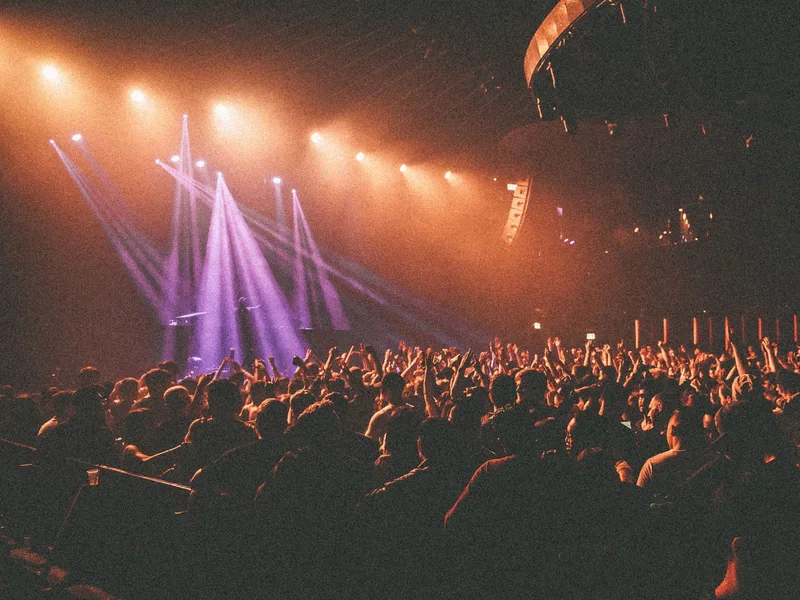
Rome's nightlife is not concentrated in one district, which is the first thing to understand about it. There is no single strip. Instead there are six or seven neighbourhoods with quite distinct characters, most of them twenty minutes apart, and picking the wrong one for the night you want is the most common mistake visitors make.
This guide covers which area suits which kind of evening, what time things actually start, how to get home afterwards, and (since it's the question we get asked most) which area to stay in if nightlife is the point of the trip.
First, the timing
Roman nights run later than most visitors expect, and arriving early is the surest way to conclude that a neighbourhood is dead.
- 19:00 to 21:00, aperitivo. The drink-with-food hour. Bars fill, buffets come out, and this is the most sociable part of the evening. If you only do one thing, do this.
- 21:00 to 23:00, dinner. Bars empty out noticeably. Romans eat late, and a bar that was full at eight can look abandoned at half nine.
- 23:00 to 01:00, the second wave. Bars refill, and this is peak for Trastevere, Pigneto and San Lorenzo.
- 01:00 onwards, clubs. Testaccio and Ostiense only. Nothing serious starts before one; arriving at midnight means an empty room.
Plan around the dip at nine. It catches people out constantly.
Trastevere: the default answer
If you ask a Roman where to go out and they know nothing about your taste, they will say Trastevere. It has the highest density of bars in the city, an aperitivo-to-late-night pipeline that needs no planning, and streets busy enough at eleven that you will never end up somewhere empty by accident.
It's touristy in patches. The main square, Piazza Santa Maria in Trastevere, and the streets immediately off it are firmly on the circuit. The fix is simple: walk two streets back. The lanes north towards Piazza Trilussa and east towards Viale Trastevere hold the bars Romans actually use.
Freni e Frizioni is the fixture, a former mechanic's garage (the name means "brakes and clutches") whose buffet essentially defined the aperitivo format in this city. Around €10 for a spritz and the food with it. Get there before eight or stand outside on the terrace with everyone else.
Go here on a first night, or with a group who want different things. Don't go looking for a dancefloor, and don't go expecting to hear anyone talk.
Testaccio: Rome's club district
Built around the old slaughterhouse and the covered market, Testaccio is where Rome's actual clubbing happens. The venues cluster along Via di Monte Testaccio and Via Galvani, many of them cut directly into the flank of Monte Testaccio, the fifty-metre hill of smashed Roman amphorae the district is named after. Romans call it Monte dei Cocci, the hill of shards. The pottery keeps them cool, which is why they work in August when the rest of the city is unbearable.
It runs from dinner-hour restaurants into four-in-the-morning dance floors without much of a seam. It is less central and less pretty than Trastevere, which is exactly why locals head here once the tourist crowd thins elsewhere.
This is the one for actual dancing, and the only part of the list that improves in July. It's useless before midnight and you are not walking home to the centro from here.
Pigneto: bars over clubs
Pigneto doesn't do big venues. It does small, characterful bars along the pedestrianised Via del Pigneto and the streets around it, and it's where you'll find the least touristed crowd on this list. A night out among Romans in their twenties and thirties, at prices to match: a spritz runs about €5 here against €8 to €10 in Trastevere.
Co.So Cocktail Bar is the destination: opened by a former Vatican bartender, doing genuinely inventive drinks, including a carbonara-inspired one involving egg and pork fat that sounds appalling and isn't, in a room small enough to fill by ten. A few doors down, Yeah! Pigneto is the opposite and just as good: jukebox, cheap beer, and a pavement crowd that spills into the street.
This is a wander-and-decide neighbourhood rather than a book-ahead one. The appeal is in not having a plan.
Come for the bar-hopping and the near-total absence of other visitors. Skip it if you're only in Rome three days; the travel time eats an evening.
San Lorenzo: students and cheap drinks
Rome's university district, built up around La Sapienza just east of Termini, runs on the same economics as student neighbourhoods everywhere: cheap spritz, packed pavements, murals on every wall, and a crowd about a decade younger than the rest of the city.
It is livelier midweek than anywhere else in Rome, because term-time nights don't wait for the weekend. Via dei Volsci and Via degli Equi are the streets.
Best value on the list, and the only place that's reliably busy on a Tuesday. It is deliberately rough around the edges, so if you want polish, go somewhere else.
Ostiense: live music and later nights
The industrial edge of the city, around the old gasometer, holds Rome's most reliable live-music venues. Monk Club runs indie gigs early and DJ sets late and is one of the few places in the city that fills a dancefloor on a weeknight.
The area is post-industrial in the literal sense: warehouses, railway viaducts, and some of Europe's most striking street art on the walls between them. It is less walkable than everywhere else on this list; budget for a taxi back, or plan to stay until the metro reopens.
Pick a venue before you set off. Ostiense doesn't reward wandering the way the others do; the distances between places are industrial and the streets in between are empty.
Centro Storico: sophisticated, not loud
The historic centre is not a clubbing destination and never has been. The residents wouldn't stand for it. What it holds is Rome's best cocktail bars, for a quieter and slightly dressier evening.
Jerry Thomas Speakeasy near Campo de' Fiori is the one to know: a genuine password-door speakeasy, credited with starting Rome's cocktail revival, small enough that booking is essentially mandatory. Reserve through their site rather than turning up.
This is where you go for a date or a serious drink, not for a group of eight and not for dancing.
The best area to stay in Rome for nightlife
If going out is the main point of the trip, the honest ranking is:
1. Trastevere, the obvious choice. You can walk home from everything, and the walk itself is part of it. The catch is noise: outdoor tables under your window run past one most nights. Book a room facing an internal courtyard and the problem disappears entirely. Ask explicitly. Roman palazzi are built around internal courtyards, hosts know exactly what you mean, and nobody will be offended.
2. Monti, the compromise. A ten-minute walk from the centre, with its own excellent wine-bar scene around Piazza della Madonna dei Monti, but genuinely quiet after midnight. Best if you want a good night's sleep and somewhere to drink downstairs.
3. Testaccio, if you're here to club. Being able to walk out of the clubs at four and be home in five minutes is worth a great deal, and rooms are cheaper than the centre. You are, however, twenty-five minutes from the Colosseum in daylight.
Avoid basing yourself in Pigneto, San Lorenzo or Ostiense purely for nightlife. They are excellent places to go out, but you'll spend forty minutes a day travelling to the sights, and the accommodation stock is thin.
Getting home
This is the part people plan least and regret most.
Metro lines A and B close at 23:30 Sunday to Thursday, and run until 01:30 on Friday and Saturday. Line C runs slightly later. That last-train time catches people out constantly — it is well before Rome's night actually ends.
Night buses run after the metro closes and are marked with an N prefix. They are infrequent — every twenty to thirty minutes — but they do run all night, and the n1 and n2 roughly follow the metro lines.
Taxis must be picked up at a rank or booked; they will not reliably stop if you flag them in the street. There are ranks at Piazza Trilussa in Trastevere, at Piazza Sonnino, and outside Piramide. Free Now and itTaxi are the apps Romans use — Uber operates only as the expensive black-car service.
Walking back from Trastevere or Monti to the centre is entirely normal and generally pleasant. Walking back from Ostiense or Pigneto is not — those are long, dark, industrial routes.
Practical notes
Dress code barely exists outside a handful of upscale cocktail bars and the door at a couple of clubs. Rome trends smarter-casual after dark than daytime sightseeing wear. Trainers are fine. Beachwear is not.
Prices vary more by neighbourhood than by venue. A spritz is around €5 in Pigneto or San Lorenzo, €8–10 in Trastevere, and €14–18 for a serious cocktail in the centre.
Aperitivo is the best value in the city. A drink between seven and nine usually comes with enough food that dinner becomes optional, and it isn't a gimmick aimed at visitors. It's how Romans eat on a Tuesday.
Summer changes everything. From June the city moves outdoors and stays there, helped by the ponentino, the evening sea breeze that makes Rome survivable after seven. The Lungo il Tevere festival lines the riverbanks with temporary bars and stalls from June to September. It is touristy and it is also genuinely pleasant.