All Guides/neighborhoods
neighborhoods · 4 min read
Centro Storico Guide: Eating, Drinking & Seeing Rome's Historic Core
Where to eat, drink, and stop in the tangle of streets around the Pantheon, Piazza Navona, and the Trevi Fountain — Rome's most touristed and most essential neighbourhood.
By Todo Rome · Updated 2026-10-27
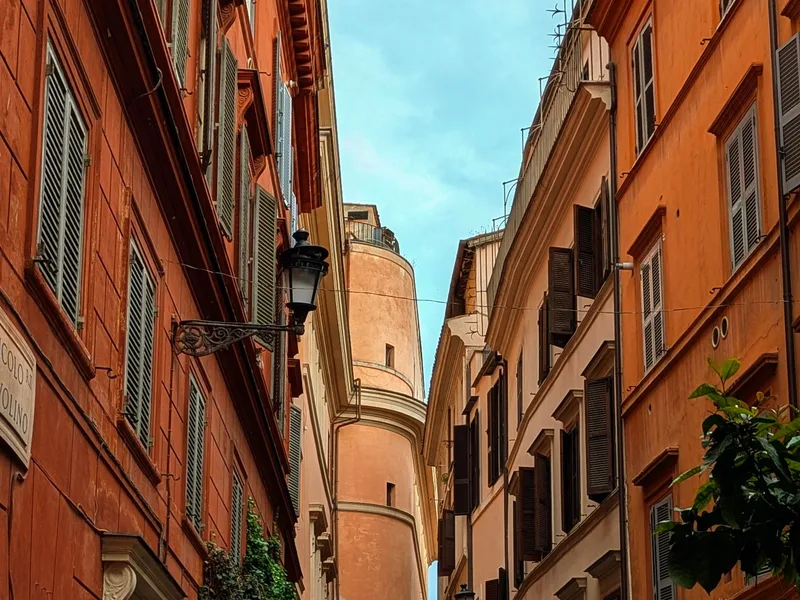
Where Every Visit Begins
Centro Storico is the loop of streets inside the bend of the Tiber — the Pantheon, Piazza Navona, Campo de' Fiori, the old Jewish Ghetto, all of it walkable in under twenty minutes end to end. It's the most touristed square kilometre in Rome and also the one almost nobody manages to skip, because the density of things worth seeing per city block here has no real equivalent anywhere else in the city.
That density cuts both ways. The streets facing the big monuments are reliably the worst value in Rome for a meal; the streets one turn away from them are often excellent. Knowing which is which is most of what this guide is for.
Where to Eat
Roscioli does double duty as a deli and a restaurant, and both halves are worth the trip — a counter stacked with cured meats and cheeses up front, and a small, booked-well-ahead dining room in back serving a carbonara that regularly tops "best in Rome" lists written by people who've eaten a lot of carbonara. Armando al Pantheon has served honest Roman classics since 1961 from a dining room literally beside the Pantheon's wall, which in a neighbourhood built on tourist-trap economics is a genuinely rare thing — book ahead, it's small.
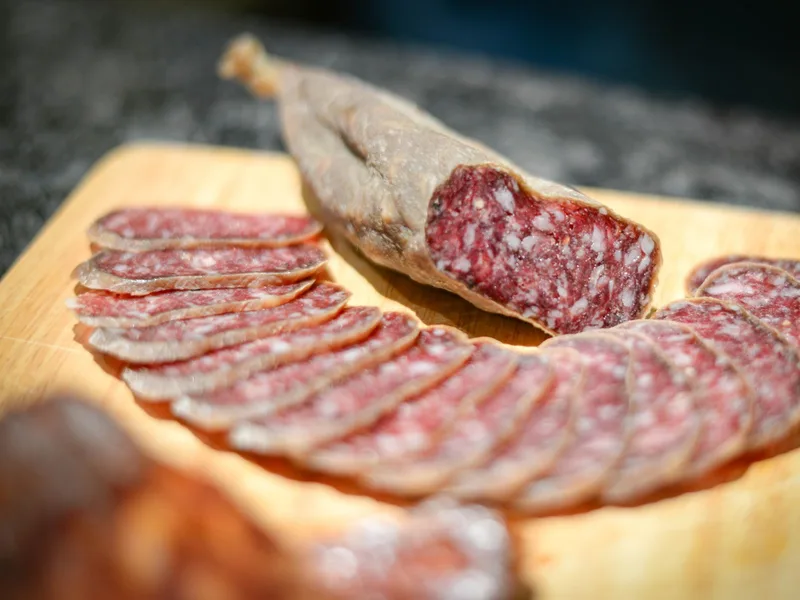
La Carbonara, on Campo de' Fiori itself, has been doing the dish its name promises since before the piazza was a nightlife strip — a useful reminder that "facing a famous square" and "tourist trap" aren't always the same thing. In the Ghetto, Ditirambo and Nonna Betta cover the two things worth coming to this specific pocket of the centro for: inventive, market-driven cooking at the former, and Roman-Jewish classics — carciofi alla giudia chief among them — done properly at the latter.
For dessert, Giolitti, two minutes from the Pantheon and scooping since 1900, is covered in full in our best gelato guide — worth the detour even on a day packed with sightseeing.
Where to Drink
Jerry Thomas Speakeasy, credited with reviving Italy's serious cocktail scene, hides behind an unmarked door near Campo de' Fiori — a password and a "membership card" issued on the spot at entry are part of the ritual rather than a real barrier. It's the neighbourhood's best answer to an evening that doesn't end at dinner, and a genuinely different register from the aperitivo-spritz crowd filling the piazza outside.

The Landmarks, Briefly
This guide isn't the place to go deep on any single monument — each of these has its own dedicated guide, linked below, for booking details and what to actually look at once you're inside.
Piazza Navona sits on the footprint of Domitian's old stadium, with Bernini's Four Rivers fountain at its centre. The Pantheon, ten minutes east, is no longer free, and our dedicated guide covers what that actually means for a visit. The Trevi Fountain, another ten minutes on, now charges a small fee to reach the basin — go at seven in the morning if the crowds in the brochure photos put you off. Piazza di Spagna and the Spanish Steps sit at the neighbourhood's northern edge, a fifteen-minute walk from the Pantheon through streets that get progressively more expensive the closer you get.
Getting Around
Walk. The metro deliberately avoids this part of the city — tunnelling under two thousand years of ruins is slow and expensive — so Line A and Line B both skirt the edges of the centro without ever reaching the Pantheon directly. The one bus interchange worth knowing is Largo di Torre Argentina, a sunken square of Republican-era temples (and a long-running cat sanctuary) that also happens to be where every cross-town bus route converges. For anything under two kilometres here, which is most of it, walking is faster than waiting.
When to Go
Early morning is this neighbourhood's best-kept non-secret. The Pantheon and Piazza Navona before 8am are close to empty, the light is better, and the cafés are serving locals rather than tour groups. By midday the density of visitors per square metre becomes the main experience, for better or worse, and it stays that way until the dinner crowds thin out well after 10pm. If you're staying elsewhere in the city, a before-breakfast or after-dinner walk through here, rather than a midday one, is the version of Centro Storico most worth having.
For where to actually sleep — here or a ten-minute walk away in Monti or Prati — see our where to stay guide.