ROM.NBHD· District
Centro Storico
Rome Neighbourhood Guide
Grand, historic, touristy but essential
The historic heart of Rome — the Pantheon, Piazza Navona, and a maze of alleys where every turn reveals another fountain or church. Where every visit begins, even if you spend most of your time elsewhere.
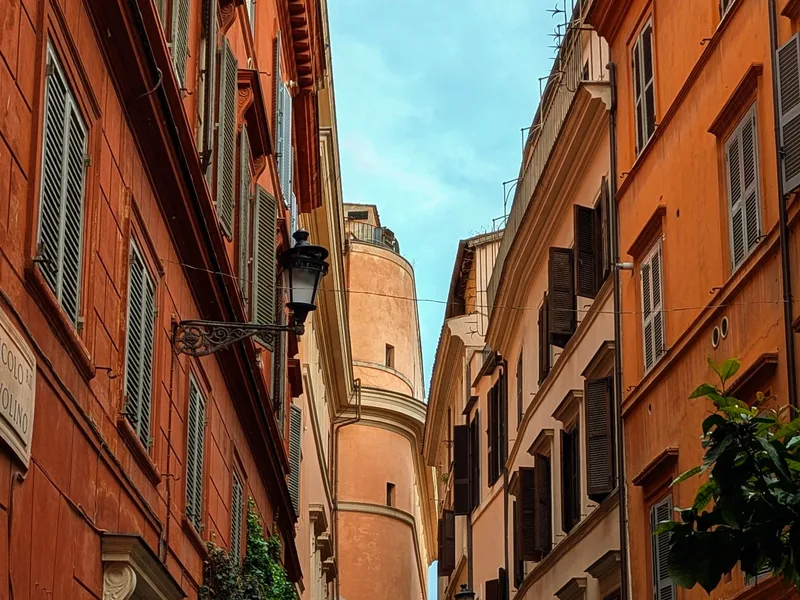
Romans say in centro. Not "the city centre", not "downtown", not Innenstadt or le centre — just in centro, and everyone knows where you mean. It's the loop inside the bend of the Tiber, plus the archaeological strip running down to the Colosseum, and it holds nearly everything you came for.
The thing nobody tells you is how small it is. The Pantheon to the Trevi Fountain takes eight minutes. The Pantheon to the Colosseum, about twenty-five. People book taxis for distances they could walk before the driver found them.
There is no downtown, exactly
Rome has no business district, no cluster of towers, no obvious centre point. What it has is the centro storico: a dense, mostly pedestrian historic core, plus the ruins running south-east from Piazza Venezia.
Draw a rough box from Piazza del Popolo down to the Colosseum, and from the river across to the Spanish Steps. That's it. Everything inside is walkable and most of it is closed to traffic you don't want anyway.
Which brings up the ZTL — zona a traffico limitato. Most of this area is camera-enforced against private cars, and the fines find you months later through your rental company, with an administration fee stapled on. Taxis and buses can go in. Your hire car cannot. Every year people learn this the expensive way.
The unmissable half-dozen
Working roughly from the river inward.
Piazza Navona still has the shape of the stadium it was built on, because it is literally sitting in Domitian's racetrack. Bernini's Four Rivers fountain is in the middle, and the story that the figures are recoiling in horror from Borromini's church facade is a very good story that is unfortunately not true — the fountain went up first.
Ten minutes east, the Pantheon. Best-preserved building of ancient Rome, largest unreinforced concrete dome ever built, and still nobody is entirely sure how they got the concrete to set at that height. It was free for about two thousand years and started charging in 2023, which Romans have not entirely forgiven.
The Trevi Fountain is another ten minutes. Since February 2026 there's a €2 charge to reach the basin, and the crush has thinned noticeably. Go at seven in the morning if you want it to yourself.
South-east past the Vittoriano, the wedding cake in white marble that Romans have nicknamed everything from the typewriter to the dentures, you reach the Forum and the Colosseum. Book both. These are the two places where turning up on the day costs you an hour of your life.
And the one almost nobody goes to: the Galleria Doria Pamphilj, still owned by the family, hung floor-to-ceiling the old way, with Velázquez's portrait of Innocent X in a small room by itself. The audio guide is narrated by the current prince talking about his relatives. It's wonderful.
Largo Argentina, and how to move around
Walk. That's the answer for almost everything inside the centro, and it's usually quicker.
The metro is deliberately bad here for the reason mentioned earlier: you can't tunnel through a city built on itself twenty times over. Line A clips the northern edge at Spagna and Barberini, Line B hits the southern end at Colosseo, and neither goes anywhere near the Pantheon.
Buses fill the gap, and the one stop worth memorising is Largo di Torre Argentina — the interchange in the middle of everything, where routes from Termini, Trastevere and the Vatican all converge. It's also a sunken square of Republican-era temples that has been a cat sanctuary since the 1920s, staffed by volunteers, open to visitors. Julius Caesar was killed roughly there, at the Curia of Pompey, not in the Forum where everyone assumes.
Bus times are theoretical. For anything under two kilometres, walk.
Is it worth the money to sleep here?
On a short first trip, probably yes. Walking out of your door to the Pantheon at seven in the morning, before the heat and the crowds, is genuinely worth paying for, and on two or three days the time saved is significant.
On a longer stay the maths flips. Centro rooms are the priciest per square metre in the city and often small and dark, because the buildings are four hundred years old and were not designed around your comfort. And the streets immediately around the big sights empty of Romans in the evening, which means you end up eating in the least interesting restaurants in Rome while standing on top of the most interesting ruins.
The usual compromise is Monti or Prati. Ten to fifteen minutes' walk, actual residents, better food, less money.
Centro Storico: common questions
01What is the city centre of Rome called?
+
The Centro Storico, or just il centro in speech. It's a UNESCO site covering the Pantheon, Piazza Navona, the Trevi Fountain, Campo de' Fiori and the Spanish Steps, along with the Forum and Colosseum at its south-eastern end.
02Can you walk everywhere in central Rome?
+
Essentially, yes. The centro is about two kilometres across. Pantheon to Trevi is eight minutes, Pantheon to Colosseum around twenty-five. Wear something with grip — the sampietrini get genuinely slippery in the rain and they are unforgiving in smooth soles.
03Can I drive into the centre of Rome?
+
Not in a private car. Most of the historic centre is inside the ZTL, enforced by camera, and the fines arrive months later via your rental company. Taxis, buses and licensed vehicles are fine.
04How many days do you need for central Rome?
+
Three covers the centro and the Vatican without rushing. Two is enough for the headline sights if you've booked ahead and you start early. One means choosing between ancient Rome and the Vatican, and attempting both is how people end up remembering neither.
Day Trips from Rome
Tivoli · Ostia Antica · Castelli Romani · Orvieto
Pick up at Fiumicino or Ciampino — free cancellation on most cars
Explore Centro Storico
Plan Here →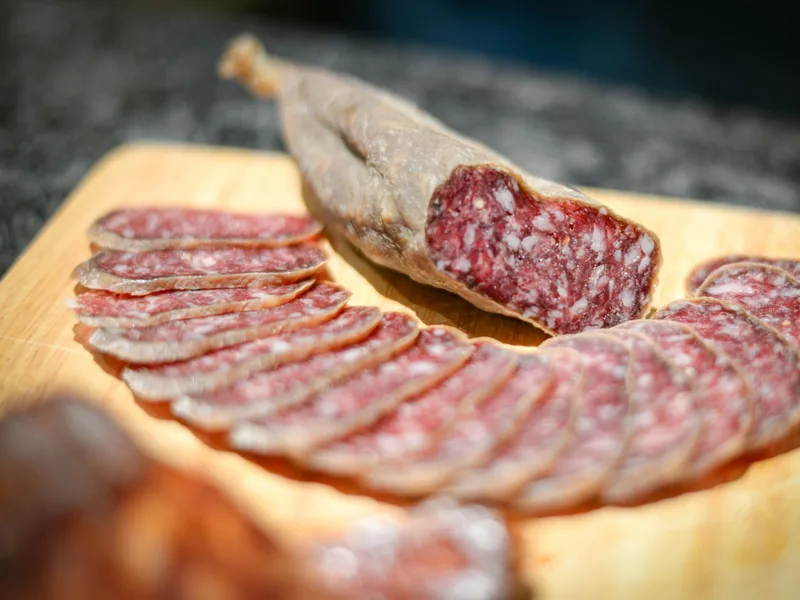
Roscioli
Deli, wine bar, and restaurant in one — a marble counter piled with salumi and cheese out front, and a serious kitchen in back turning out the carbonara most Romans consider definitive. Book two weeks ahead for dinner.
Armando al Pantheon
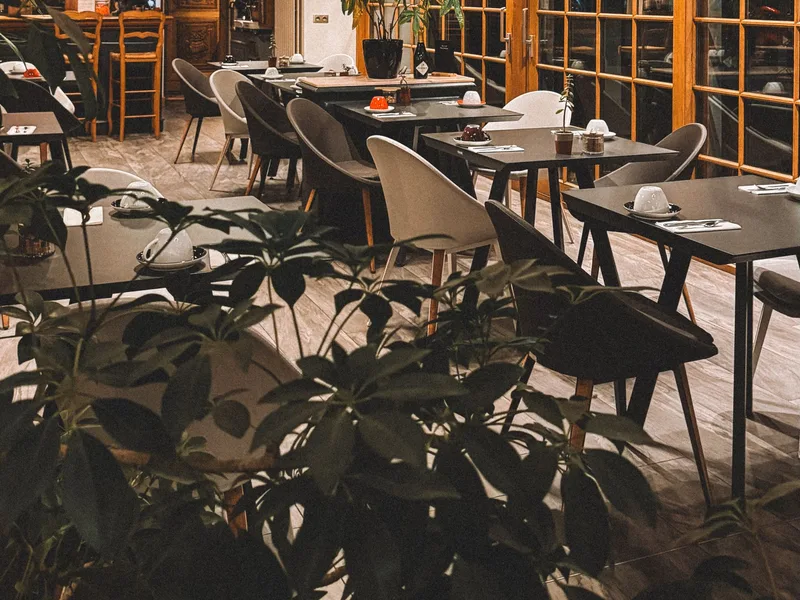
A family-run trattoria in the shadow of the Pantheon since 1961, somehow still serving honest Roman classics at honest prices metres from the most touristed square in the city. Book ahead — this is not a secret.

La Carbonara
One of several Roman kitchens that claims to have invented the dish it's named after. Whatever the truth, this Campo de' Fiori institution has been turning out carbonara since 1912 and remains a benchmark.
Ditirambo
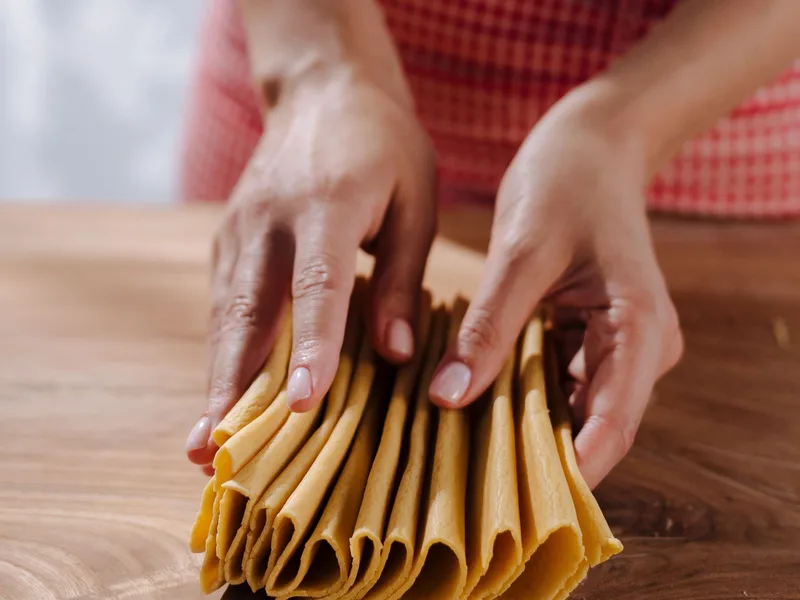
Seasonal, mostly organic Roman cooking a block from Campo de' Fiori — handmade pasta, thoughtful vegetable dishes, and a wine list that rewards asking the waiter for a recommendation.

Nonna Betta
Roman-Jewish cooking in the heart of the old Ghetto — carciofi alla giudia (fried whole artichokes), baccalà, and a fried courgette-flower plate that alone is worth the trip to Via del Portico d'Ottavia.
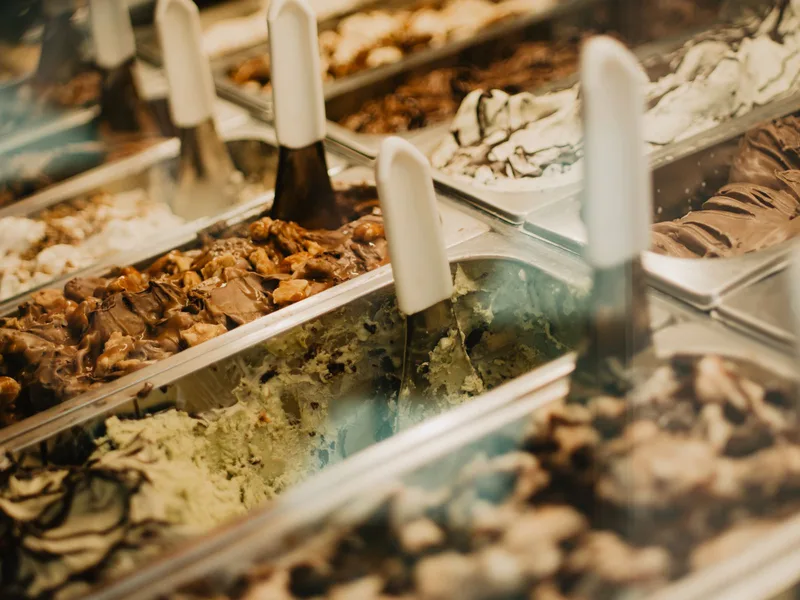
Giolitti
Rome's most famous gelateria, scooping since 1900, two minutes from the Pantheon. Popes, presidents, and every tour group in the city have stood in this line — the pistachio and hazelnut hold up to the reputation.
Galleria Borghese
The single best small museum in Italy — Bernini's Apollo and Daphne and David under one roof, plus Caravaggios and a Canova sculpture of Napoleon's sister. Entry is capped and timed at two hours per slot; book weeks ahead, this always sells out.
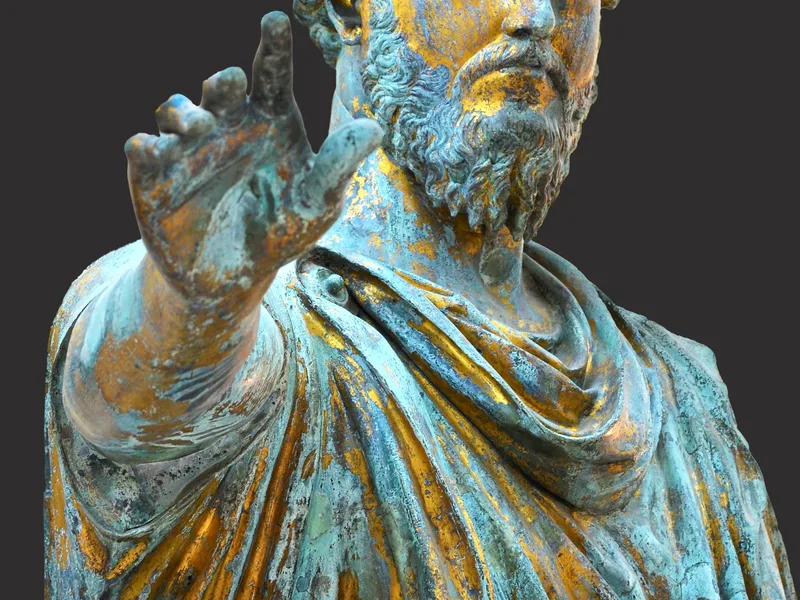
Musei Capitolini
The oldest public museum in the world, opened in 1734 on Michelangelo's Piazza del Campidoglio. Home to the Capitoline Wolf, the colossal fragments of Constantine, and a rooftop café with a direct view of the Forum below.
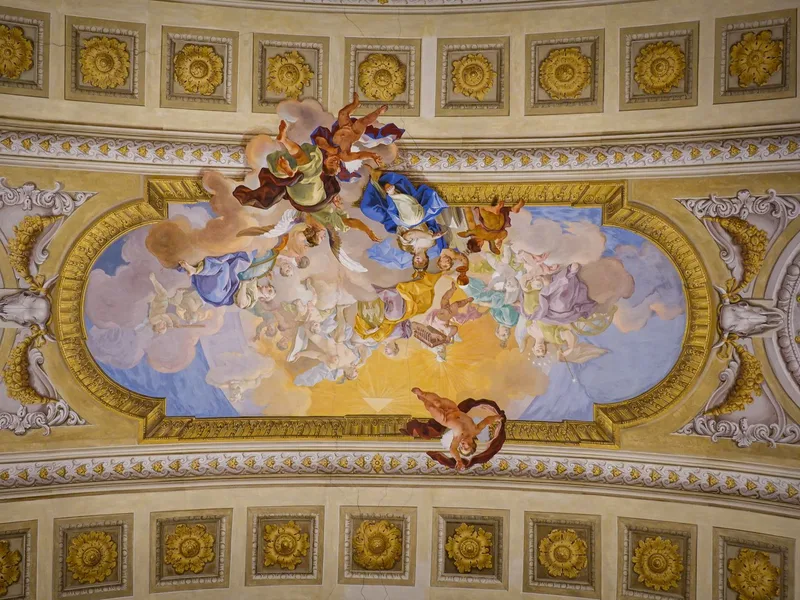
Galleria Doria Pamphilj
A private noble collection still owned by the Doria Pamphilj family, hung salon-style across gilded state rooms — Velázquez's portrait of Innocent X, two Caravaggios, and an audio guide narrated by a family member. Consistently the least crowded major collection in central Rome.
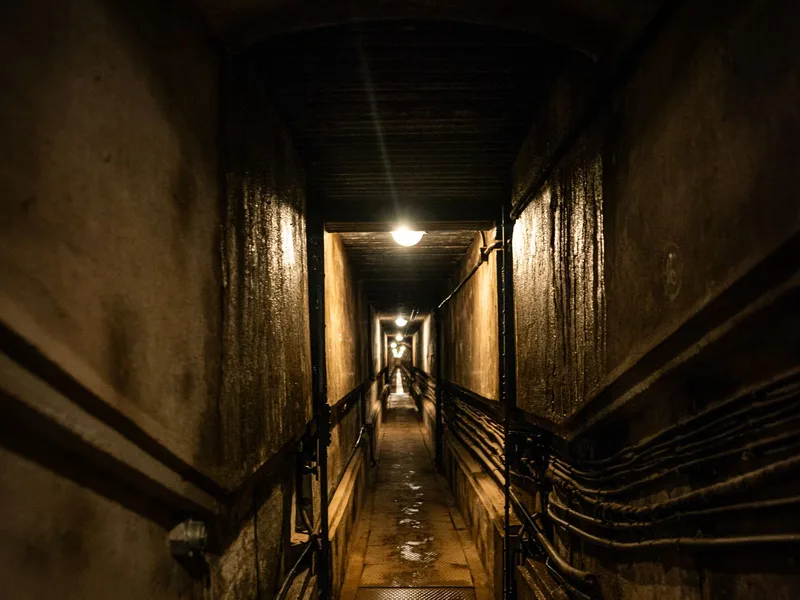
Colosseo Sotterranei & Arena Floor Tour
Special-access tour down into the hypogeum — the underground tunnels where gladiators and animals waited before being raised onto the arena floor by a network of lifts and trapdoors. Small groups, limited daily slots.
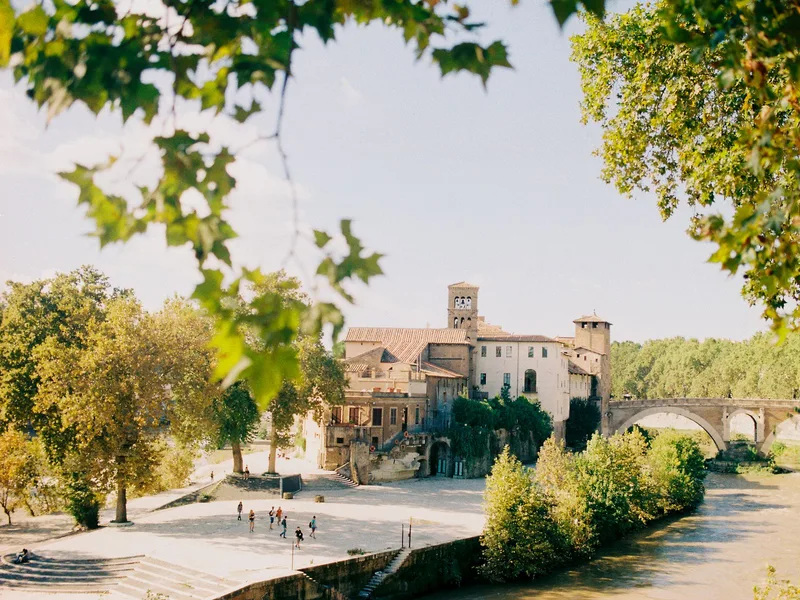
Tiber River Sunset Cruise
An hour on the water past Isola Tiberina, Castel Sant'Angelo, and a dozen bridges as the domes and pines of Rome turn gold. A quiet, low-effort way to see the skyline from a completely different angle.
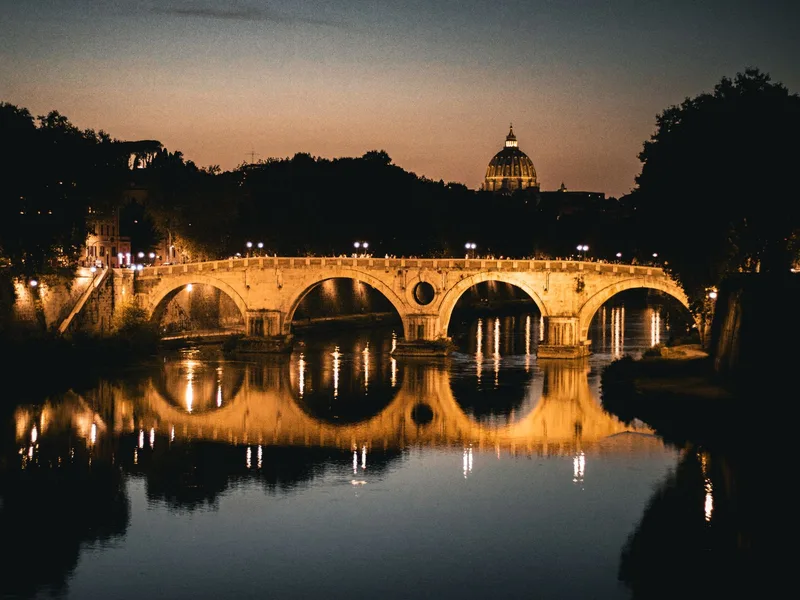
Rome by Night Walking Tour
The historic centre after dark, when the day-trip crowds thin out — Trevi, Piazza Navona, and the Pantheon lit up, plus the best gelato stop of the night worked into the route.

Villa Borghese Bike & Rowboat Rental
Rome's central park on two wheels or on the water — pedal the tree-lined avenues past the Pincio terrace, or rent a rowboat on the little lake by the Temple of Aesculapius. The easiest half-day with kids in the city.

Jerry Thomas Speakeasy
Rome's original speakeasy, credited with reviving Italy's cocktail scene — a password, a hidden door near Campo de' Fiori, and bartenders who take Prohibition-era technique seriously. Membership card required at the door, easily arranged on arrival.
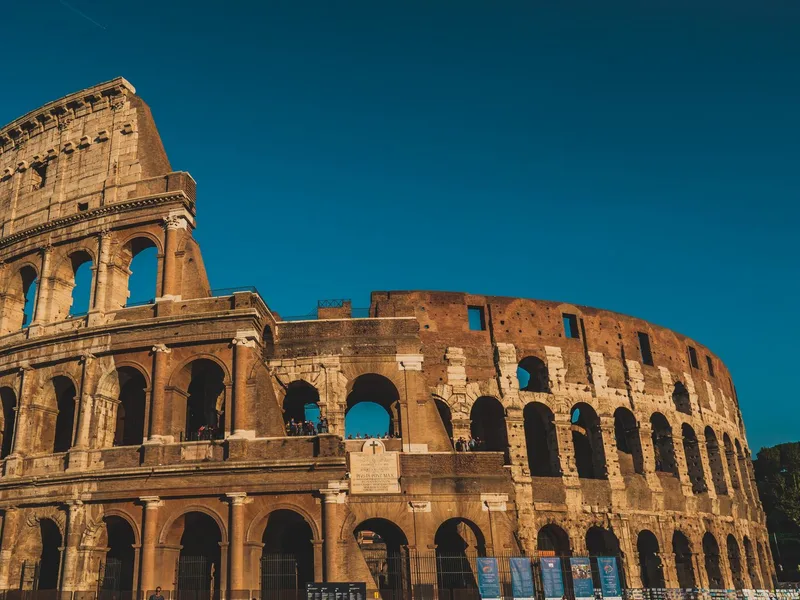
Colosseo
The largest amphitheatre ever built by the Roman Empire — 80 arched entrances, room for 55,000 spectators, and nearly 2,000 years of history under one travertine shell. Walk the arena floor reconstruction and look down into the hypogeum where gladiators and animals once waited.
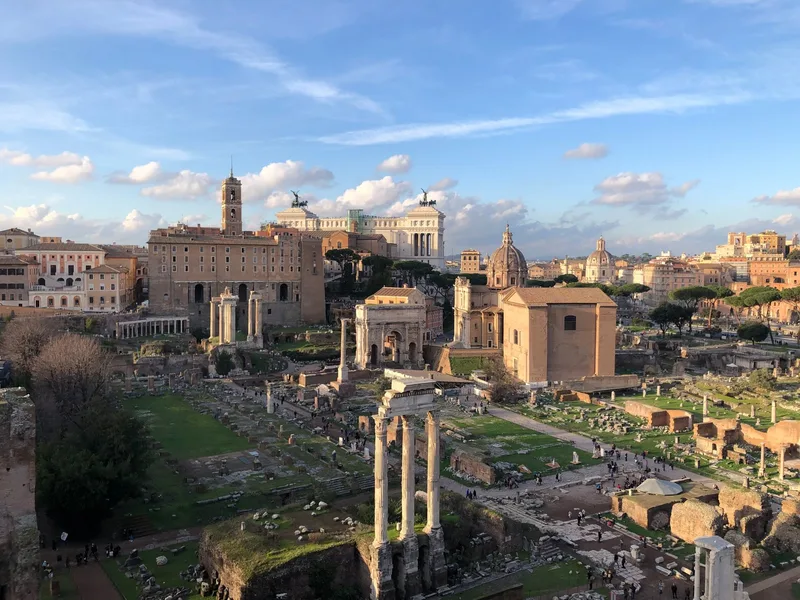
Foro Romano e Palatino
The political heart of the ancient world — temple columns, the Curia Senate house, the Arch of Titus, and the ruins of imperial palaces on the Palatine Hill above. Bring water, wear a hat, and give it at least two hours; this is where Rome actually happened.
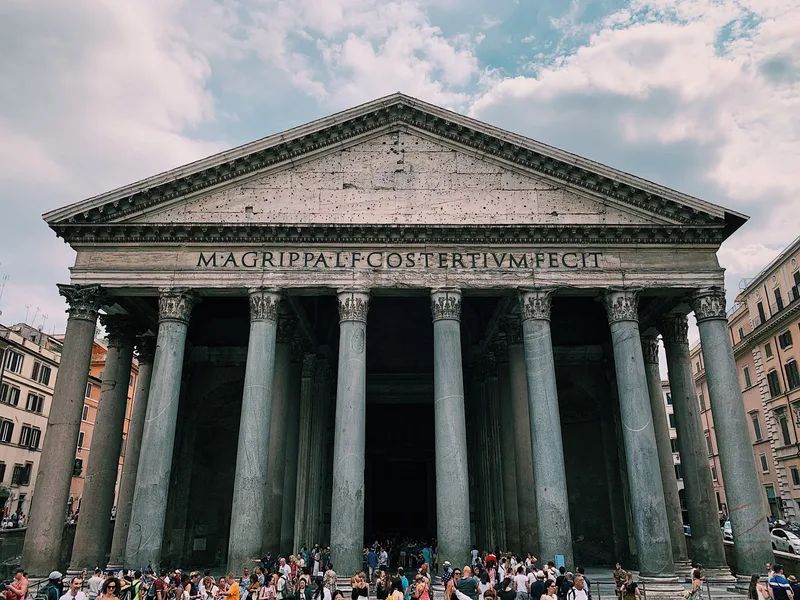
Pantheon
The best-preserved building of ancient Rome — a 2nd-century temple with the largest unreinforced concrete dome ever built, still standing 1,900 years later. A modest entry fee since 2023, always astonishing, and busiest around the oculus at midday when a single shaft of light crosses the floor.
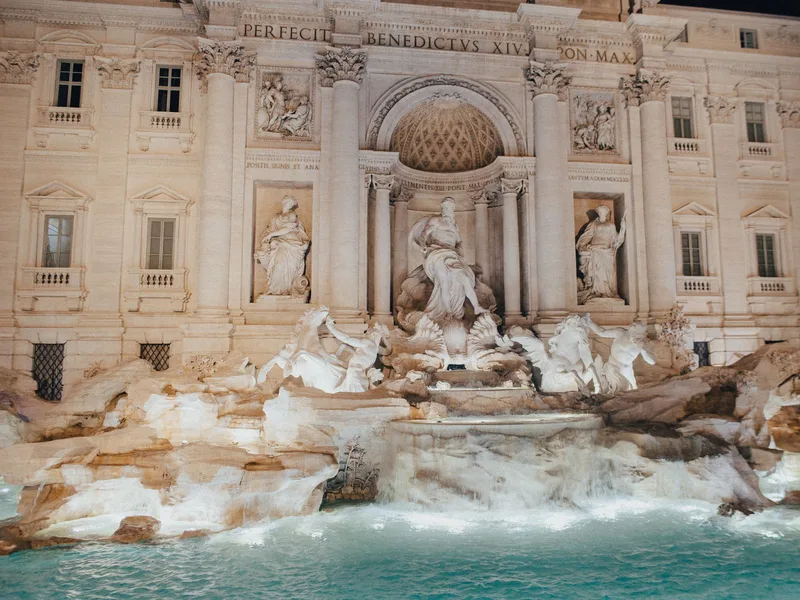
Fontana di Trevi
The most theatrical fountain in the world — Neptune's chariot carved into the side of a palazzo, 1,400 litres of water a second, and a coin-toss ritual (right hand, over the left shoulder) that supposedly guarantees a return to Rome. Come at dawn to see it without the crowds.
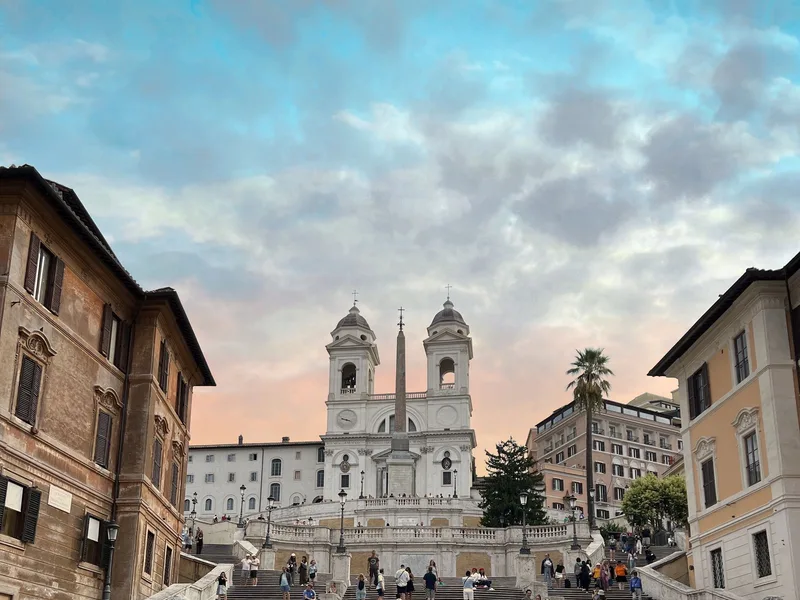
Piazza di Spagna & Scalinata di Trinità dei Monti
138 steps rising from the Barcaccia fountain to the twin bell towers of Trinità dei Monti — Rome's most photographed staircase and the traditional gathering point for the city's fashion crowd. Sitting on the steps is now banned and fined; admire from the sides instead.
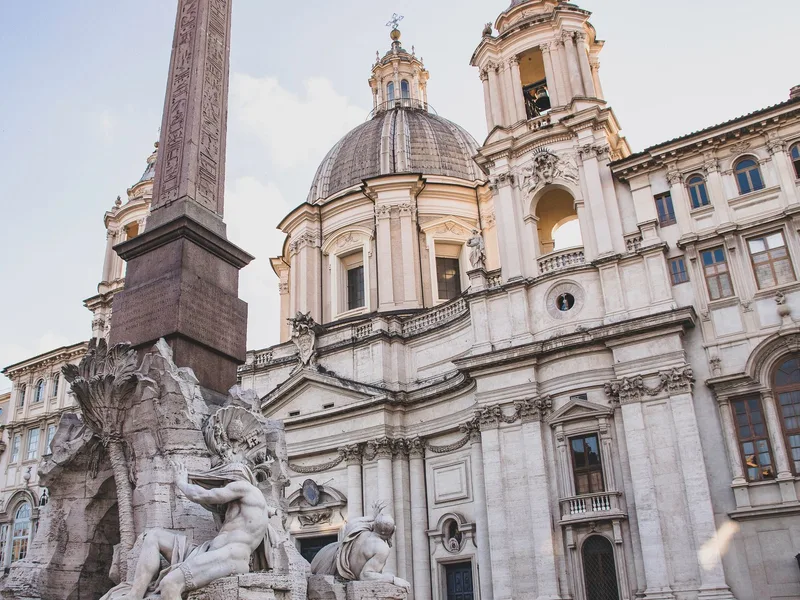
Piazza Navona
A Baroque theatre built on the footprint of a 1st-century stadium — Bernini's Fountain of the Four Rivers at its centre, street artists along the edges, and cafés that charge a fortune for the privilege of sitting here. Come for the obelisk, stay for the people-watching.