ROM.NBHD· District
Prati
Rome Neighbourhood Guide
Elegant, residential, orderly
Elegant, orderly, and residential — wide 19th-century boulevards, upscale boutiques, and some of the best gelato and supplì in the city, all a short walk from St Peter's. The Vatican's civilised, un-touristy neighbour.
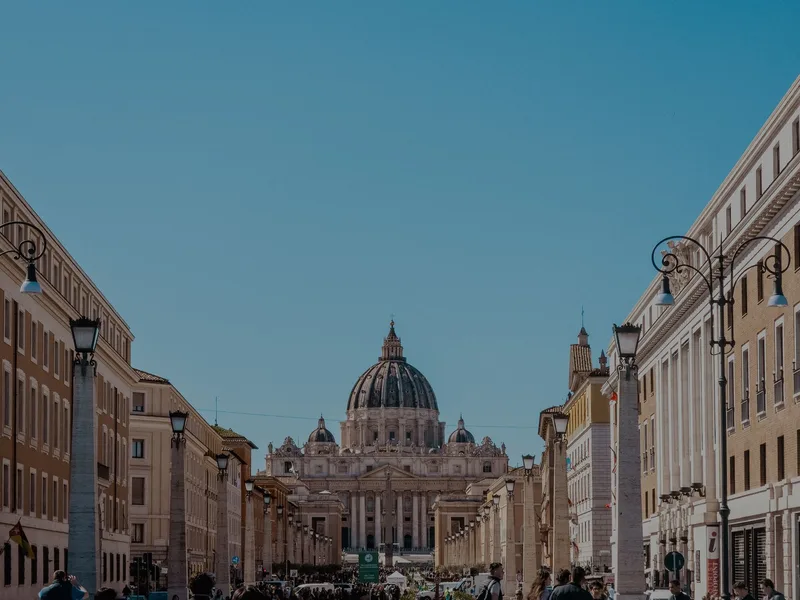
Most people who stay in Prati never learn the name of it. Laid out in the 1880s on what had been water meadows — prati means exactly that — it was Rome's first properly modern district, and it was built with an attitude. The new Italian state had just taken the city from the Pope, and the surveyors deliberately laid the grid so that not one street aligns with St Peter's. You cannot see the basilica from most of Prati. That was the point.
The result is the least Roman-looking part of central Rome and one of the most comfortable to actually be in.
Straight lines and grown-ups
Where the centro is medieval chaos, Prati is nineteenth-century planning: right angles, wide pavements, plane trees, and buildings tall enough to throw real shade in August. That last point sounds minor until your fourth day in a Roman summer.
It's a working professional district. The courts are here, so are the lawyers, and the bar at eight in the morning is full of people standing at the counter downing a caffè before work rather than sitting down to photograph it. Which raises a useful piece of local arithmetic: standing at the bar, an espresso is about €1.20. Sitting at a table, the same coffee can be €4.50 or more. This is legal, posted, and universal. It is not a scam, it's just how it works, and knowing it saves you money every single day.
Via Cola di Rienzo is the spine, a kilometre of mid-range shopping running from the river towards the Vatican, and it's where Romans from other districts come. Considerably less punishing than Via del Corso.
The one part of central Rome with a decent metro
Prati fills the bend of the Tiber north of the Vatican, between Castel Sant'Angelo and the Musei Vaticani.
Line A actually serves it, which is unusual here. Ottaviano for St Peter's and the museums, Lepanto for the middle of the district, Flaminio across the river for Piazza del Popolo.
And the walk into the centro is genuinely short: over Ponte Sant'Angelo, past the castle, and you're at Piazza Navona in about fifteen minutes. A metro line and a fifteen-minute walk to the middle of everything is a combination almost nowhere else in Rome offers.
Eat five minutes further north
The streets immediately around the Vatican are among the worst places to eat in the city. Captive audience, no repeat custom, nobody's reputation on the line. Walk five minutes into Prati proper and it changes entirely.
Pizzarium Bonci on Via della Meloria is the destination. Pizza al taglio, sold by weight, cut with scissors, toppings changing through the day, and no seating whatsoever — you eat it standing on the pavement like everyone else. Gabriele Bonci more or less rewrote what Roman pizza al taglio could be, using long fermentation and stupidly good ingredients. It's a short walk from the museum exit and worth planning around.
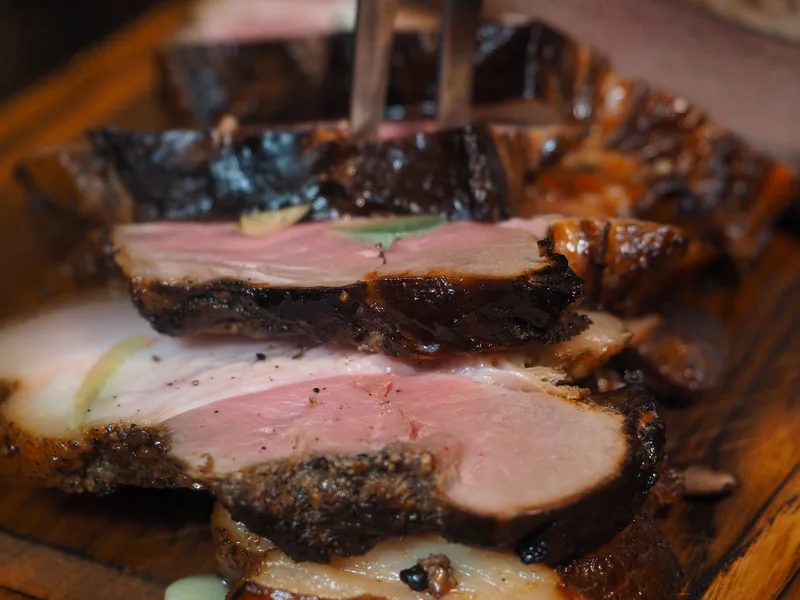
Dal Toscano on Via Germanico does Tuscan grilling over coals in a proper white-tablecloth room, which is a useful corrective after four consecutive days of pasta.
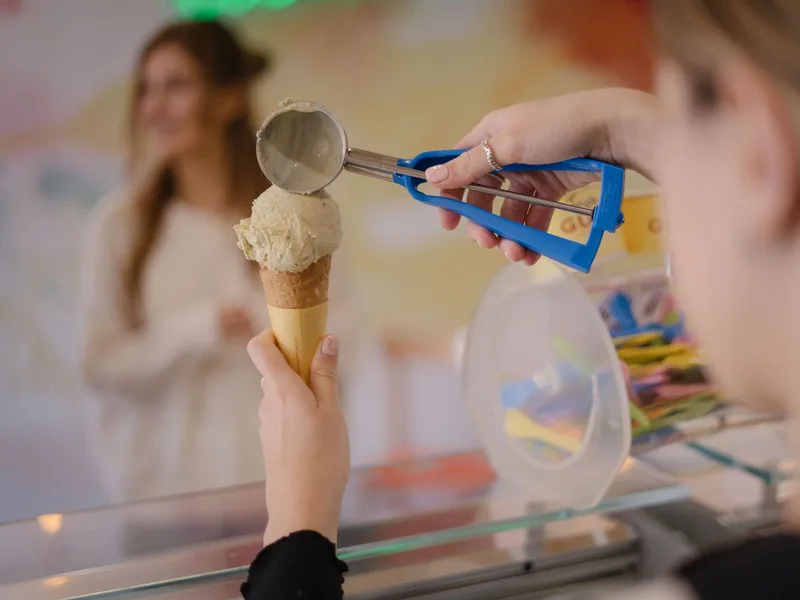
Gelateria Old Bridge by the Vatican walls has been handing generous cones to people staggering out of the museums since long before that counted as a business strategy.
Who it suits
Families, light sleepers, anyone travelling with more luggage than sense, and anyone who has decided that a good night's sleep beats a picturesque view.
Rooms are bigger than the centro because the buildings are a couple of hundred years younger. Prices are lower. The metro is a real option rather than a theoretical one. You can walk to both the Vatican and the historic centre. At night it is quiet, well lit and completely unremarkable, in the best sense of that word.
What you give up is atmosphere. Nobody photographs Prati. If stepping out of the door into something medieval is the point of your trip, stay in Monti or the centro and accept the trade.
Prati: common questions
01Is Prati a good place to stay in Rome?
+
It's one of the best-value central options. Metro Line A, fifteen minutes' walk to Piazza Navona, right next to the Vatican, larger and cheaper rooms than the historic centre, and quiet at night.
02How far is Prati from the Vatican?
+
It borders it. From most of Prati, St Peter's Square and the Vatican Museums entrance are a five to fifteen minute walk, and Ottaviano on Line A is the nearest station to both.
03What is Prati known for?
+
Its 1880s grid layout, the Via Cola di Rienzo shopping street, the courts district, and being the most convenient base for the Vatican. Also Pizzarium Bonci, which many people will tell you is the best pizza al taglio in Rome.
04Is Prati walkable to the centre of Rome?
+
Yes — cross Ponte Sant'Angelo past Castel Sant'Angelo and you're at Piazza Navona in roughly fifteen minutes.
Day Trips from Rome
Tivoli · Ostia Antica · Castelli Romani · Orvieto
Pick up at Fiumicino or Ciampino — free cancellation on most cars
Explore Prati
Plan Here →
Pizzarium Bonci
Gabriele Bonci's pizza al taglio counter near the Vatican — thick, airy, slow-fermented dough cut with scissors and topped with whatever's best that week. Widely considered the best pizza al taglio in Rome.
Dal Toscano
A Prati institution for bistecca alla fiorentina and Tuscan-Roman classics, family-run since 1953. Come hungry — the steak is priced and grilled by the kilo.
Gelateria Old Bridge
A no-frills gelato counter beside the Vatican walls, famous for generous scoops at fair prices — the queue of pilgrims and tourists after the Sistine Chapel is the best endorsement it needs.
Musei Vaticani & Cappella Sistina
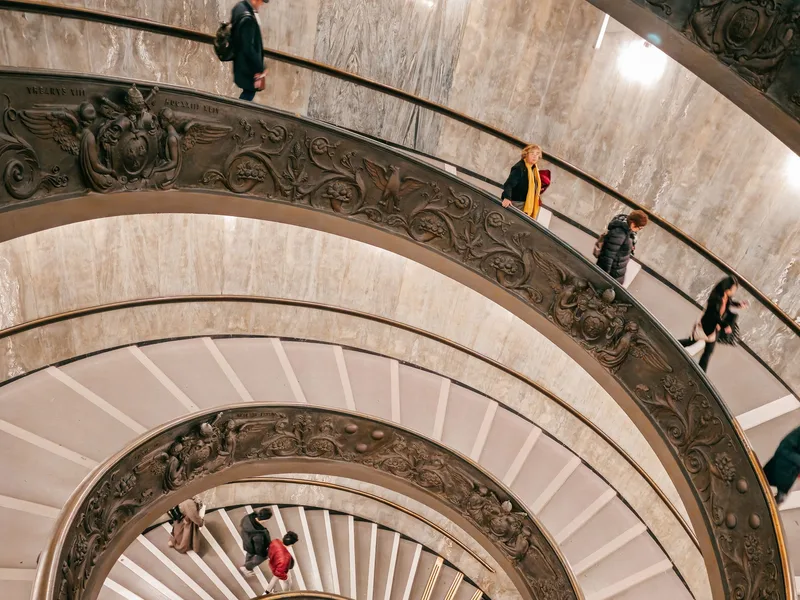
One of the largest museum complexes on earth — the Raphael Rooms, the Gallery of Maps, and, at the end of the route, Michelangelo's ceiling and Last Judgment in the Sistine Chapel. Book a timed entry; the queue without one can run past two hours.

MAXXI — Museo Nazionale delle Arti del XXI Secolo
Zaha Hadid's swooping concrete-and-glass building is as much the exhibit as the contemporary art and architecture shows inside. The clearest evidence that Rome isn't only ancient — a short taxi ride north of the centre, and worth the trip.
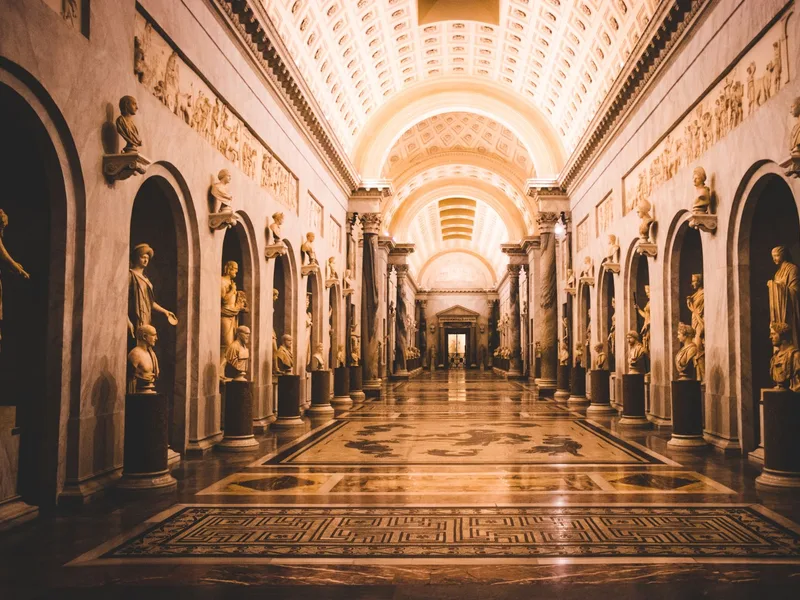
Vatican Museums Early Entrance Tour
Enter before the general public with a small group and a guide, walking the Gallery of Maps and Raphael Rooms in relative quiet before reaching a considerably less crowded Sistine Chapel.
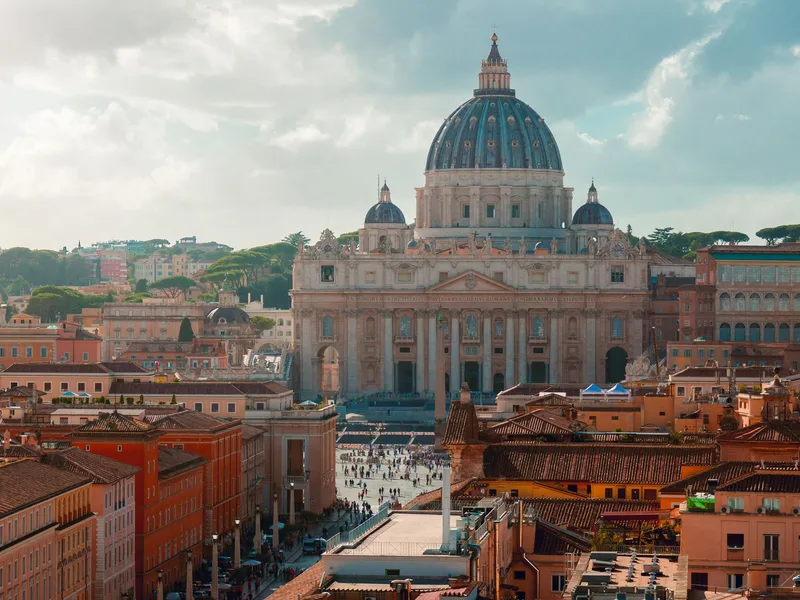
Basilica di San Pietro
The largest church in Christendom — Michelangelo's dome, Bernini's baldachin over the papal altar, and the Pietà behind glass to the right of the entrance. Free to enter; the dome climb (551 steps, partial lift) gives the best rooftop view in Rome.
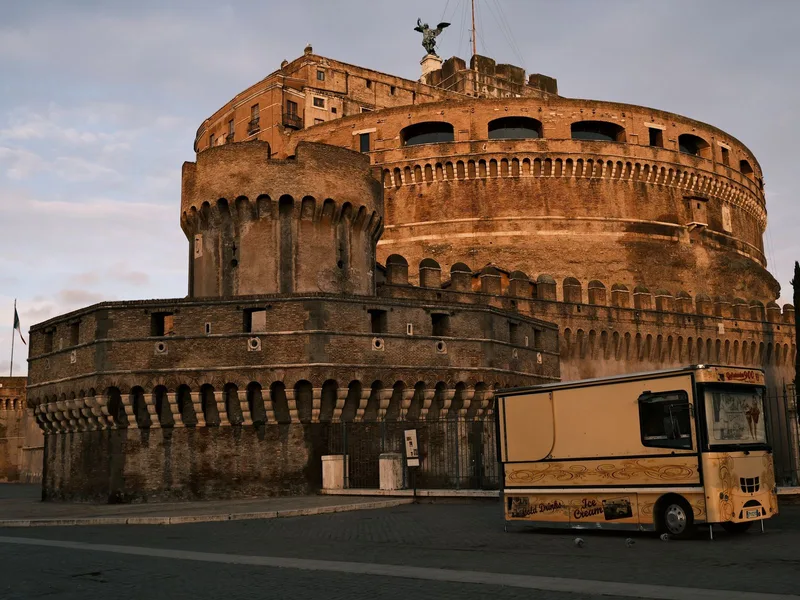
Castel Sant'Angelo
A 2nd-century mausoleum for Emperor Hadrian, later a papal fortress connected to the Vatican by a secret elevated passage. Climb the spiral ramp through 1,900 years of history to a rooftop terrace crowned by a bronze archangel, with one of the best views over the Tiber.