All Guides/practical
practical · 4 min read
Rome's ZTL Zones: How Tourists Get Fined Without Knowing
Rome's historic centre is a camera-enforced no-drive zone. Rental car fines run €83–165, arriving months later by post — here's how to avoid one.
By Todo Rome · Updated 2026-09-14
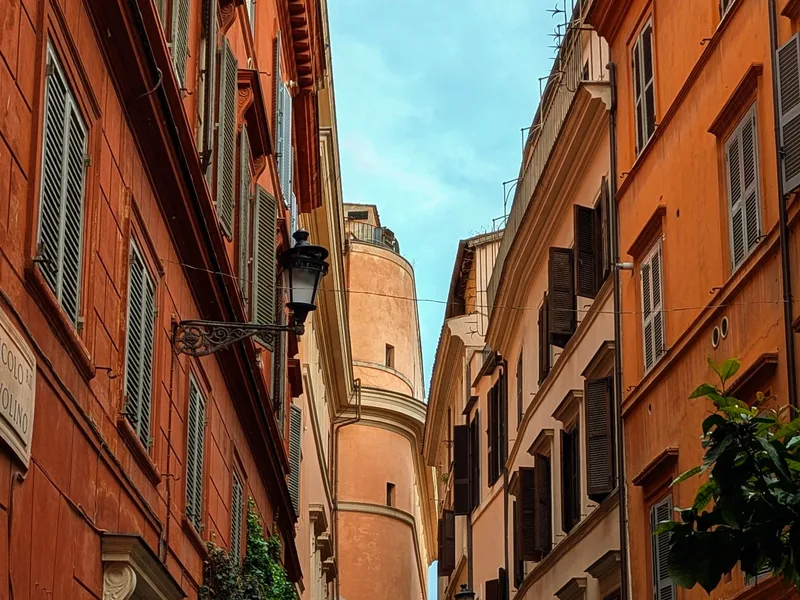
What a ZTL Actually Is
ZTL stands for Zona a Traffico Limitato — a limited traffic zone. Rome's historic centre, and parts of a few other neighbourhoods, are closed to ordinary private cars during set hours. There are no gates and no barrier arms. Instead, a network of cameras (varchi elettronici) sits at every entry point and photographs every licence plate that crosses. If your plate isn't on the approved list for that zone and that day, the system logs a violation automatically. Nobody waves you through or stops you — you find out weeks or months later, by post.
This catches a specific type of visitor: people who've rented a car for a day trip, or who are driving in from the airport and don't realise their hotel sits inside the restricted zone. It rarely affects anyone relying on public transport, taxis, or walking, which is what almost every Todo Rome itinerary assumes anyway.
Where the Zones Are
The main ZTL — Centro Storico — covers almost the entire historic core: the area around the Pantheon, Piazza Navona, Campo de' Fiori, and the streets between them. If your hotel address is inside this loop, driving up to the front door in a rental car is very likely to trigger a camera.
Two more zones catch people out specifically:
- Trastevere has its own ZTL, active in the evenings and especially on Friday and Saturday nights, timed to the neighbourhood's restaurant and nightlife crowds rather than daytime traffic.
- Monti added a night-time extension (ZTL Notturna) from January 2026, closing off more of the neighbourhood's narrow streets after dark.
Restrictions on cars generally run on weekday daytimes, with the evening zones layered on top for Trastevere and Monti. Hours shift depending on the exact street and day of the week, and the boundaries have moved before — treat any specific hour range you read (including this one) as a starting point, not gospel, and check the current map before you drive anywhere near the centre.
What the Fine Actually Costs
Fines are genuinely painful, not a nominal slap:
- Around €83 if you pay within 5 days (a standard early-payment discount applies to most Italian traffic fines).
- Around €118 if you pay within 60 days.
- Up to roughly €165 after that.
If the car is a rental, the company will also add its own administrative fee, commonly €40–50, on top of whatever the municipality charges — for the simple act of forwarding you the notice. Each separate camera you cross counts as its own fine, so driving in, getting lost, and driving back out again can mean two violations from one wrong turn.
The notices are slow. It is completely normal to be billed for a fine two or three months after you've flown home, sometimes as a charge that simply appears on the card you used for the rental deposit.
Are Tourists Exempt? No
Foreign-plated rental cars get no automatic pass. The camera system reads any plate not on its approved list as a violation, regardless of where the car is registered or who's driving. There is a paid day-pass system (passi giornalieri, around €6), but it requires a SPID digital identity to apply for online — a system built for Italian residents, and impractical for a visitor to set up for a single day.
The one real workaround: some hotels inside the ZTL can register your plate for the duration of your stay, since accommodation providers are one of the recognised exceptions. This has to be arranged in advance — email your hotel your rental plate number a day or two before arrival and ask them to authorise it. Not every hotel offers this, and it only covers routes to and from that specific address, not general driving around the centre.
What to Actually Do
If you're not staying inside a ZTL, this entire topic is irrelevant to your trip — it's really only a rental-car problem. If you are renting a car for a Tuscany or Amalfi day trip and staying centrally:
- Park outside the zone and walk or taxi in. Large car parks near Villa Borghese, around Termini, and at several Metro stations on the edges of the centre are built for exactly this.
- Use licensed taxis or an NCC driver for anything inside the centre — both are exempt from ZTL restrictions and know the boundaries by instinct.
- Confirm hotel registration in writing if your accommodation is inside the zone and you genuinely need to drive up to it.
- Check the live map before any drive near the centre — Roma Servizi per la Mobilità publishes the current zones and hours, and they're worth five minutes before you start the engine.
For everything else — the Colosseum, the Vatican, dinner in Trastevere — see our getting around guide: Rome's public transport and walking distances make a car inside the centre unnecessary in the first place.