Roma · Italia
Rome
Ein Kulturreiseführer für eine Stadt, in der dreitausend Jahre Geschichte und das römische Aperitivo-Ritual sich dieselbe Postleitzahl teilen.
In dieser Ausgabe
Expertenführer
Alle anzeigen →Kolosseum-Guide: Alles, was Sie wissen müssen
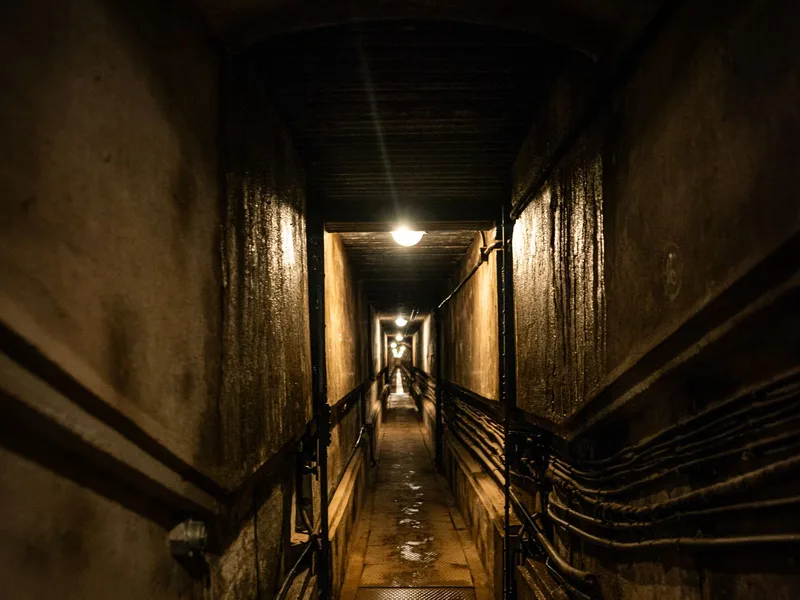
Alles Wichtige zum Besuch des Kolosseums — Tickets, Zugang zur Arenafläche, das unterirdische Hypogäum und wie Sie die Warteschlangen umgehen.
Vatikanische Museen & Sixtinische Kapelle: Der komplette Guide
Wie Sie Michelangelos Deckenfresko sehen, ohne einen halben Tag in der Schlange zu verlieren — Tickets, Timing, die Route durch die Vatikanischen Museen und was Sie auslassen können.
Trevi-Brunnen: Tickets, die 2-€-Gebühr & wann Sie hingehen
Rom verlangt jetzt 2 € für den Zugang zum Becken des Trevi-Brunnens. Wer zahlt, wer nicht, das kostenlose Nachtfenster, und wie Sie ihn ohne Gedränge erleben.
Sehenswürdigkeiten
Featured
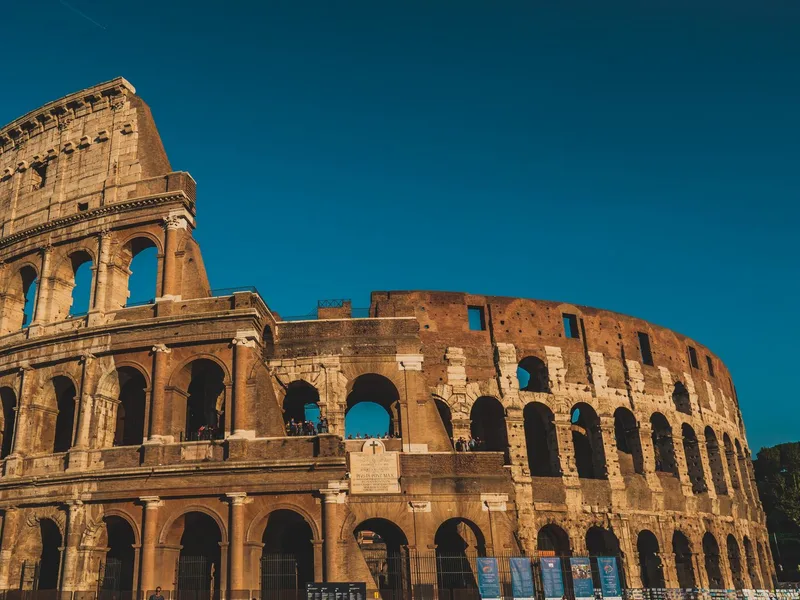
Colosseo
The largest amphitheatre ever built by the Roman Empire — 80 arched entrances, room for 55,000 spectators, and nearly 2,000 years of history under one travertine shell. Walk the arena floor reconstruction and look down into the hypogeum where gladiators and animals once waited.
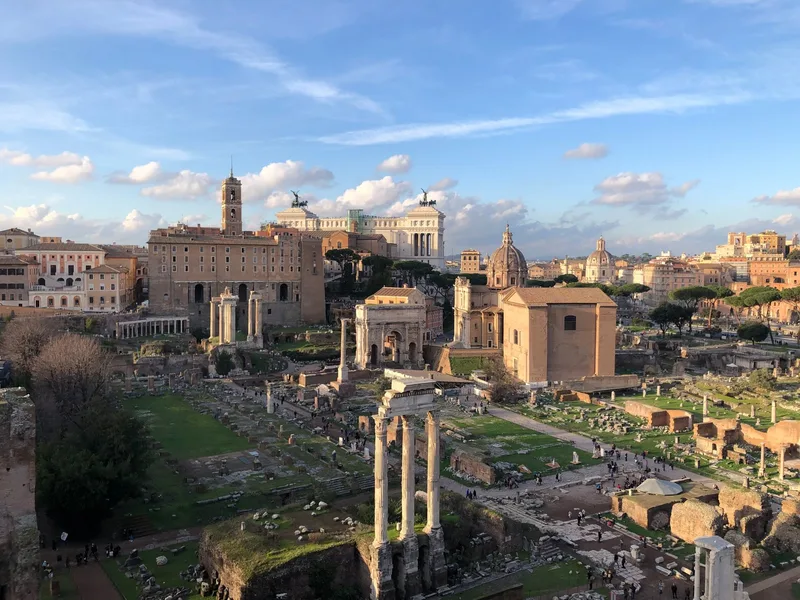
Foro Romano e Palatino
The political heart of the ancient world — temple columns, the Curia Senate house, the Arch of Titus, and the ruins of imperial palaces on the Palatine Hill above. Bring water, wear a hat, and give it at least two hours; this is where Rome actually happened.
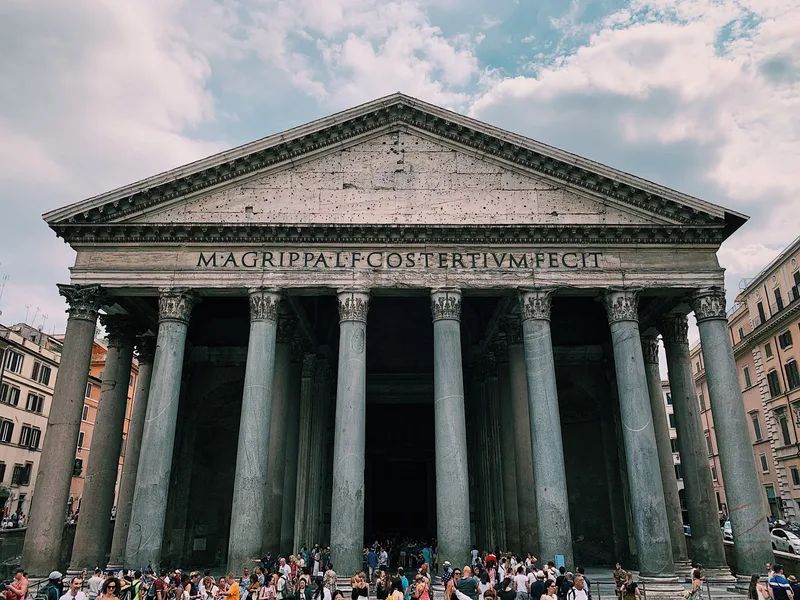
Pantheon
The best-preserved building of ancient Rome — a 2nd-century temple with the largest unreinforced concrete dome ever built, still standing 1,900 years later. A modest entry fee since 2023, always astonishing, and busiest around the oculus at midday when a single shaft of light crosses the floor.
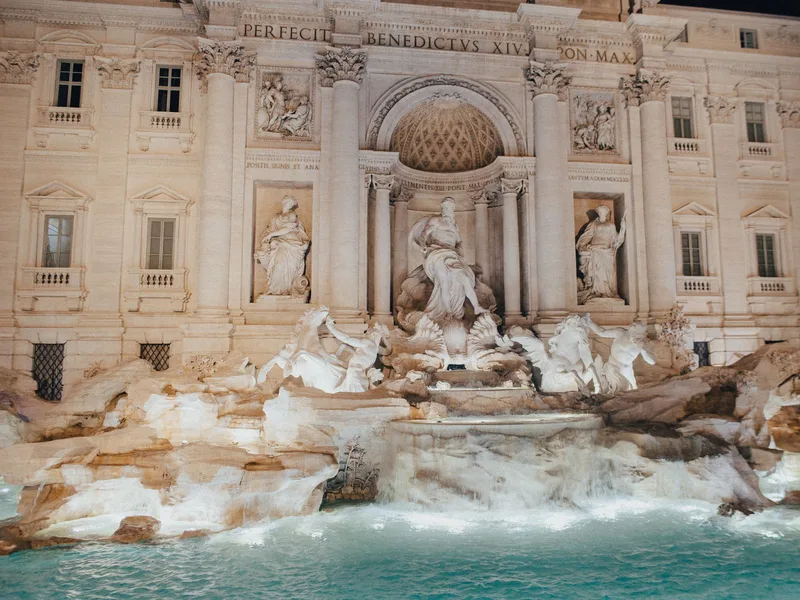
Fontana di Trevi
The most theatrical fountain in the world — Neptune's chariot carved into the side of a palazzo, 1,400 litres of water a second, and a coin-toss ritual (right hand, over the left shoulder) that supposedly guarantees a return to Rome. Come at dawn to see it without the crowds.
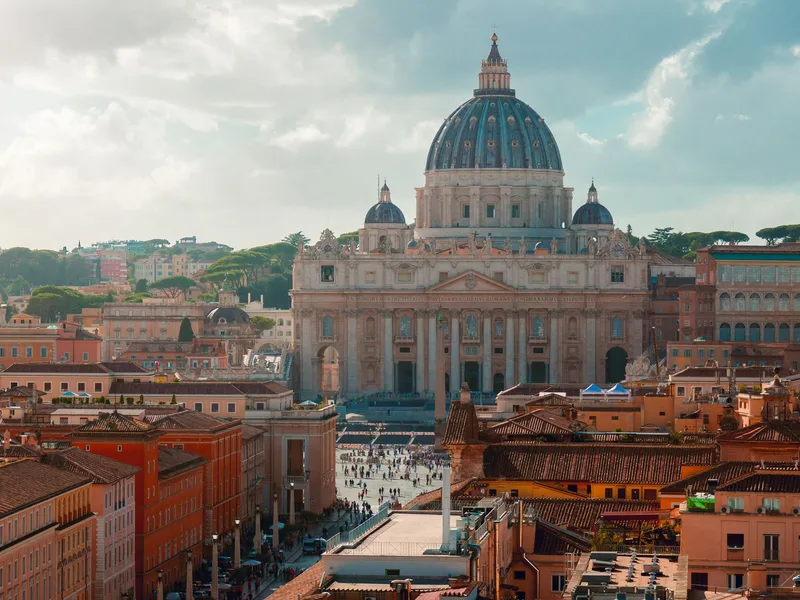
Basilica di San Pietro
The largest church in Christendom — Michelangelo's dome, Bernini's baldachin over the papal altar, and the Pietà behind glass to the right of the entrance. Free to enter; the dome climb (551 steps, partial lift) gives the best rooftop view in Rome.
Museen
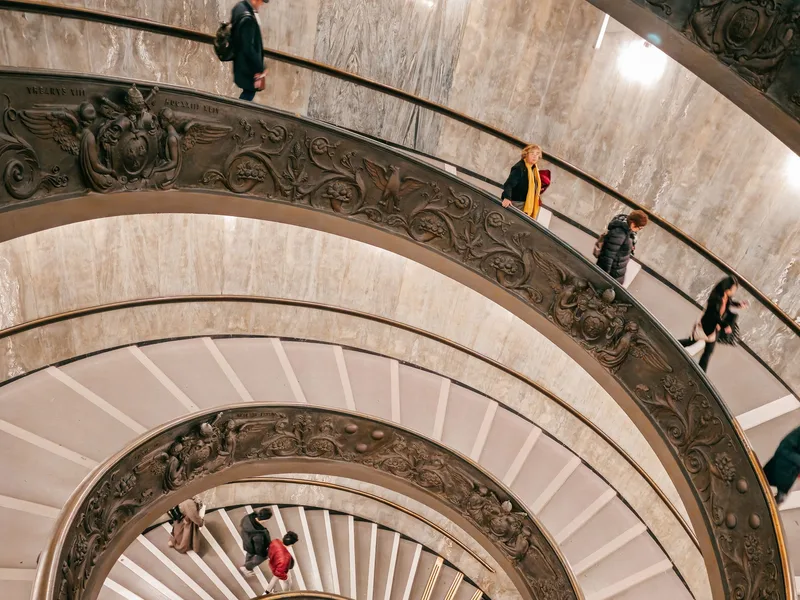
Musei Vaticani & Cappella Sistina
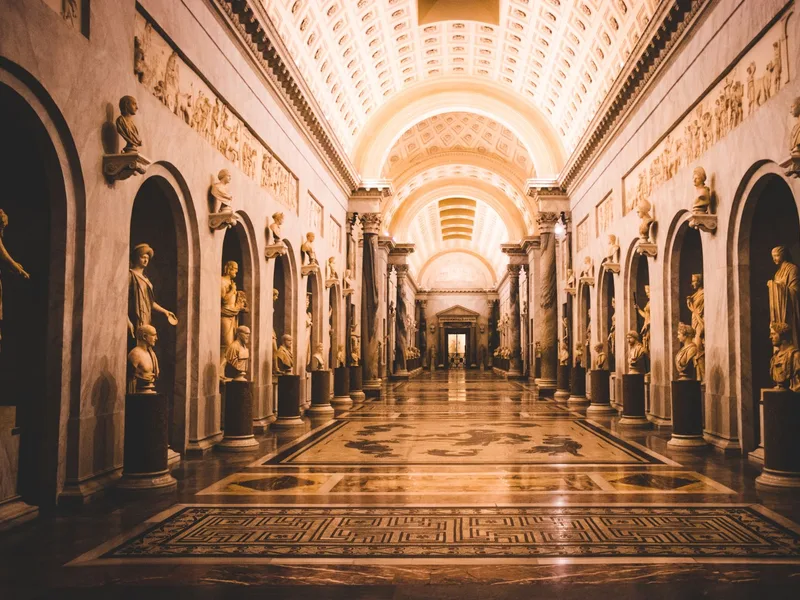
One of the largest museum complexes on earth — the Raphael Rooms, the Gallery of Maps, and, at the end of the route, Michelangelo's ceiling and Last Judgment in the Sistine Chapel. Book a timed entry; the queue without one can run past two hours.
Galleria Borghese
The single best small museum in Italy — Bernini's Apollo and Daphne and David under one roof, plus Caravaggios and a Canova sculpture of Napoleon's sister. Entry is capped and timed at two hours per slot; book weeks ahead, this always sells out.
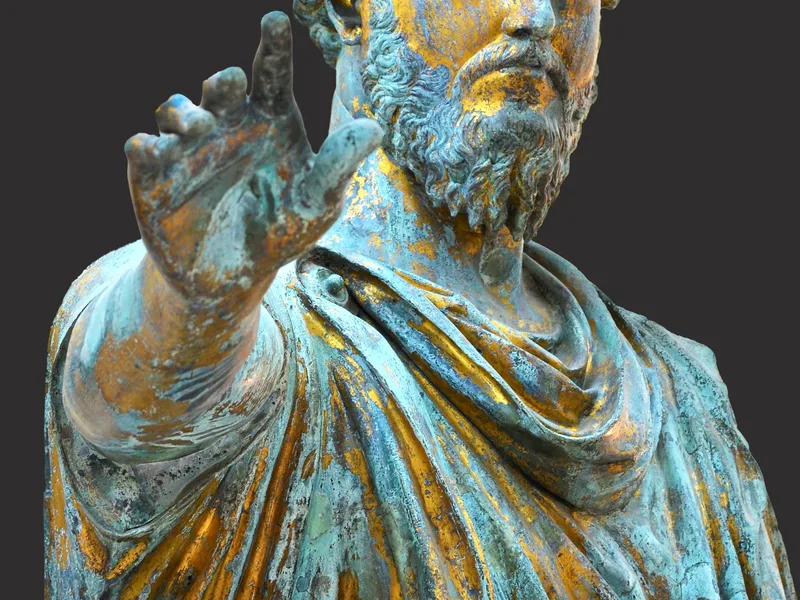
Musei Capitolini
The oldest public museum in the world, opened in 1734 on Michelangelo's Piazza del Campidoglio. Home to the Capitoline Wolf, the colossal fragments of Constantine, and a rooftop café with a direct view of the Forum below.
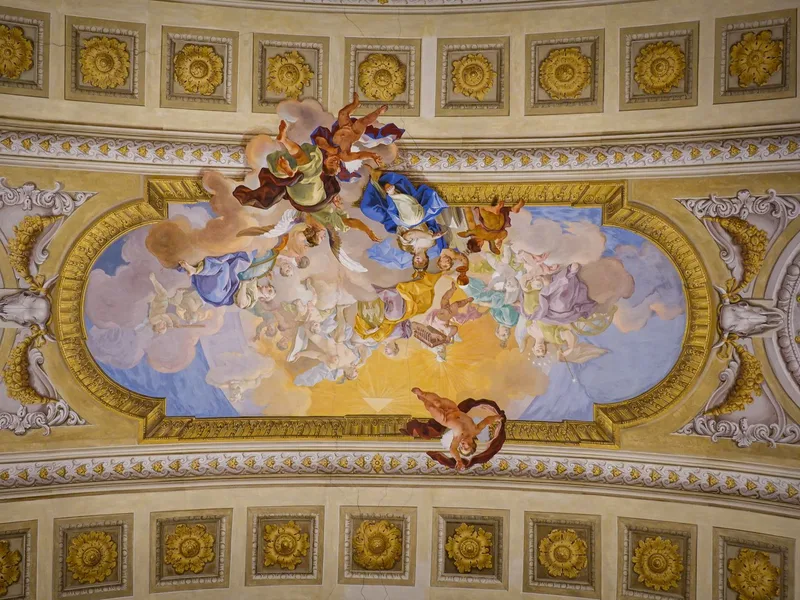
Galleria Doria Pamphilj
A private noble collection still owned by the Doria Pamphilj family, hung salon-style across gilded state rooms — Velázquez's portrait of Innocent X, two Caravaggios, and an audio guide narrated by a family member. Consistently the least crowded major collection in central Rome.

MAXXI — Museo Nazionale delle Arti del XXI Secolo
Zaha Hadid's swooping concrete-and-glass building is as much the exhibit as the contemporary art and architecture shows inside. The clearest evidence that Rome isn't only ancient — a short taxi ride north of the centre, and worth the trip.
Essen & Trinken
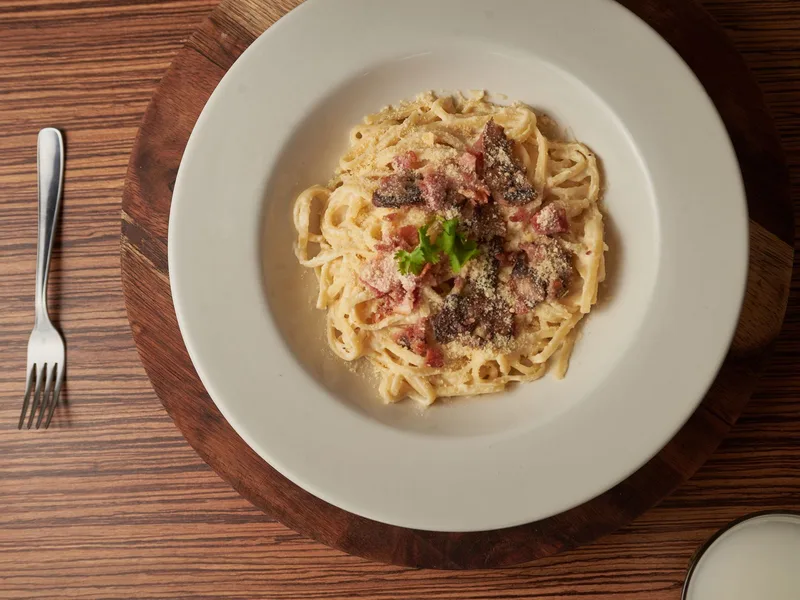
Trattoria Da Enzo al 29
A tiny Trastevere trattoria that draws queues down the street for the Roman trinity — cacio e pepe, carbonara, and amatriciana, all made the traditional way. No reservations, no shortcuts, no regrets.
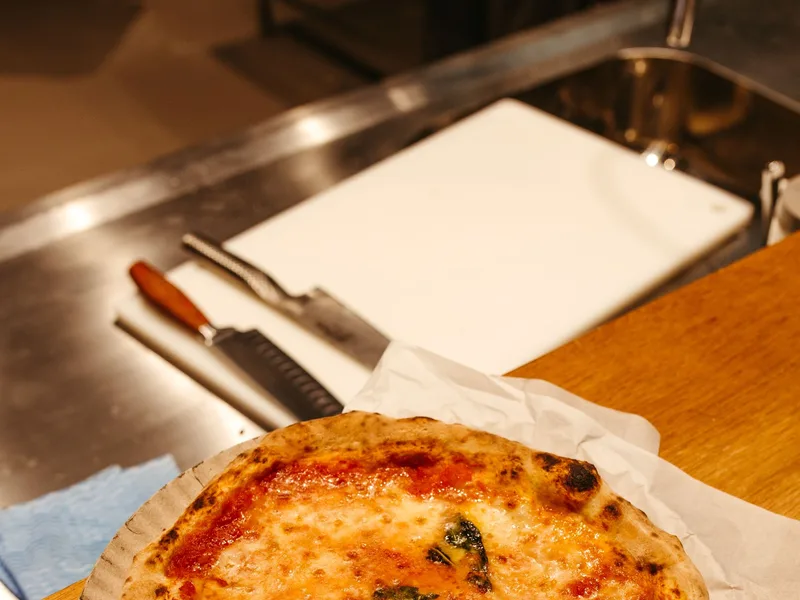
Dar Poeta
Trastevere's best-loved pizzeria — a thicker, longer-proofed Roman crust than most, a legendary Nutella-and-ricotta calzone for dessert, and a queue that starts before opening.
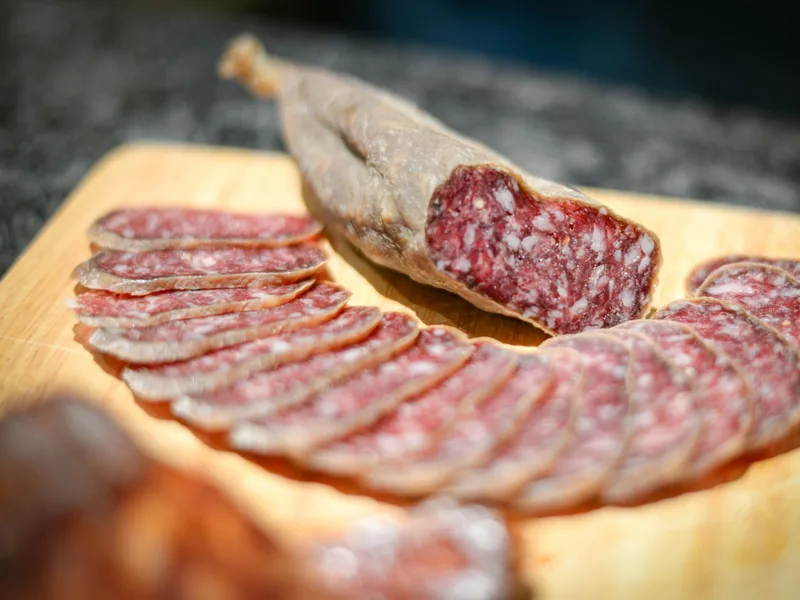
Roscioli
Deli, wine bar, and restaurant in one — a marble counter piled with salumi and cheese out front, and a serious kitchen in back turning out the carbonara most Romans consider definitive. Book two weeks ahead for dinner.
Nachtleben
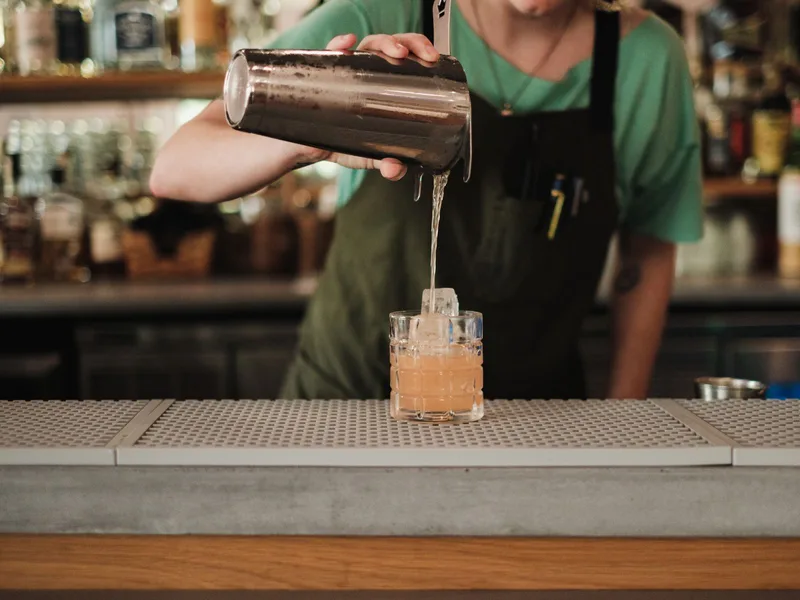
Freni e Frizioni
A former mechanic's garage in Trastevere turned into Rome's benchmark aperitivo bar — a generous buffet included with every drink, and a courtyard that fills up fast once the sun goes down.
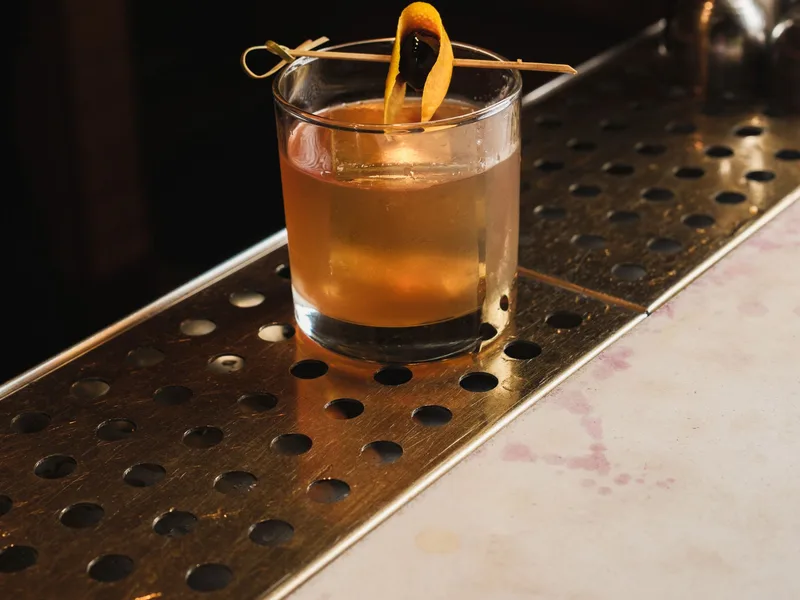
Co.So Cocktail Bar
A former Vatican bartender's Pigneto cocktail bar built around Roman flavours — a Carbonara-inspired cocktail is the signature order, served in a room too small to ever feel anything but packed.
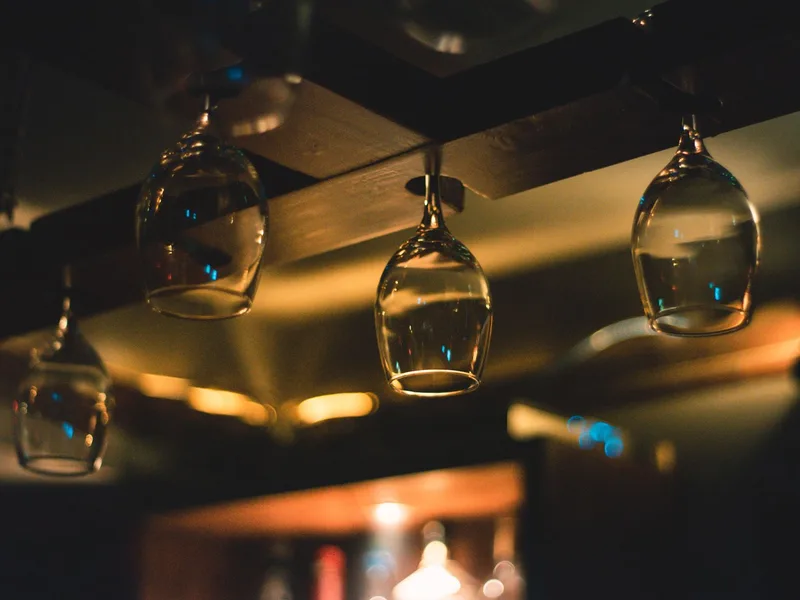
Ai Tre Scalini
A Monti wine bar so small and so popular that the crowd spills onto the cobblestones outside most nights. The house-infused mirtillo (blueberry) liqueur is the local order, best had standing up with a plate of cheese.
Jerry Thomas Speakeasy
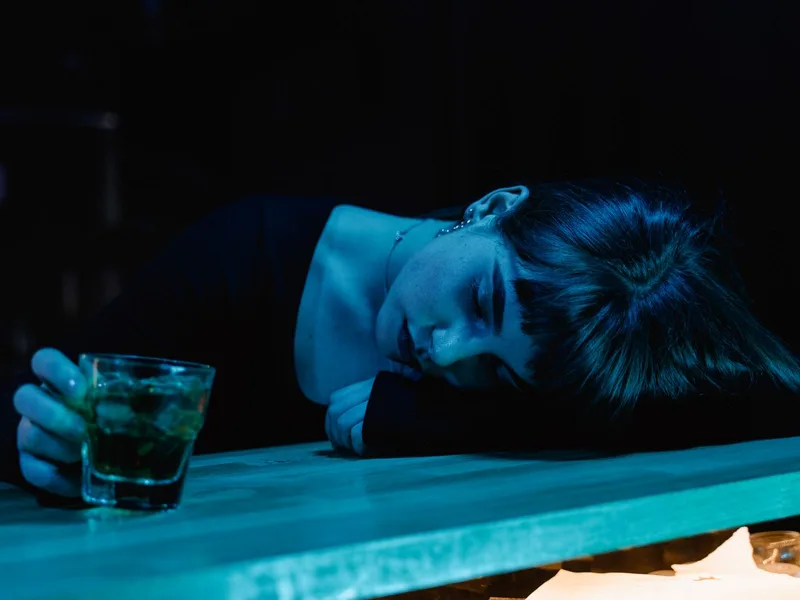
Rome's original speakeasy, credited with reviving Italy's cocktail scene — a password, a hidden door near Campo de' Fiori, and bartenders who take Prohibition-era technique seriously. Membership card required at the door, easily arranged on arrival.
Aktivitäten
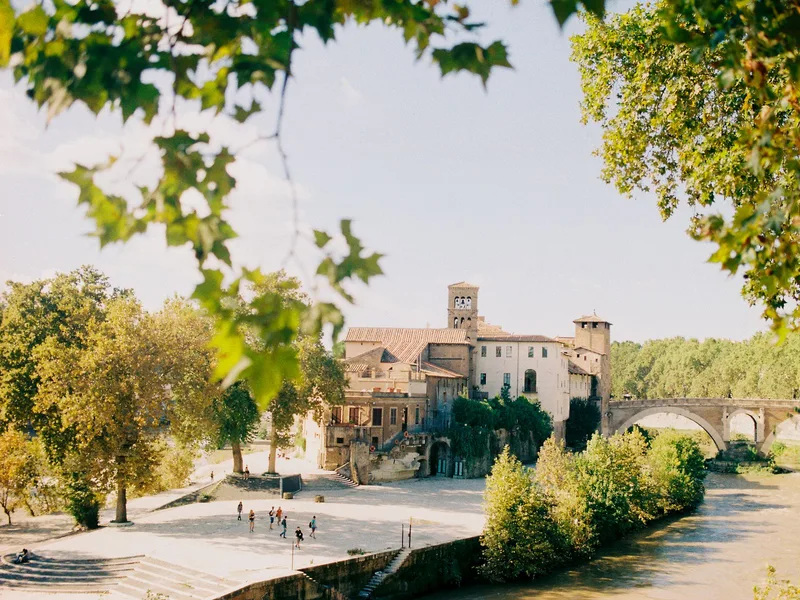
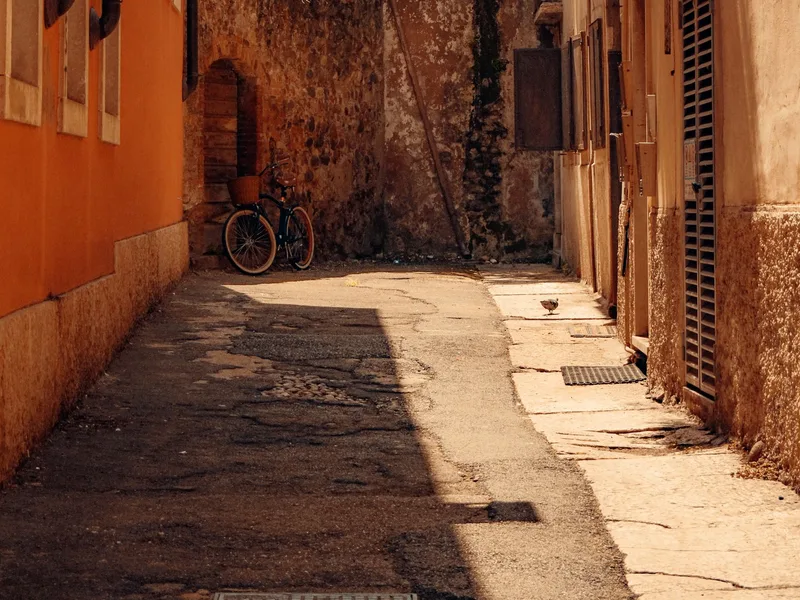
Events
Was läuft in Rom
Fußball, Basketball, Theater und Konzerte in Rom, täglich aktualisiert aus Live-Quellen — Anstoßzeiten, Spielorte und alles für den Stadion- oder Theaterbesuch.
Rom nach Vierteln
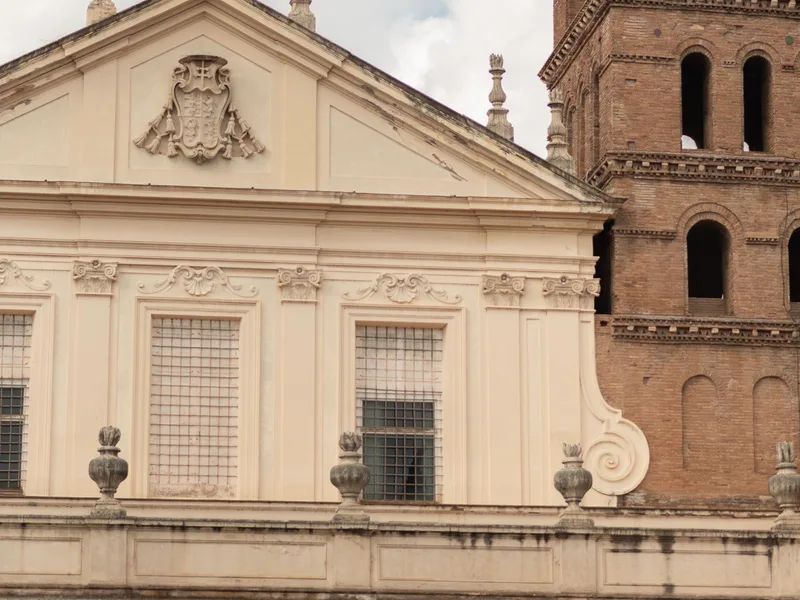
Trastevere
Lebendig, böhmisch, am Fluss
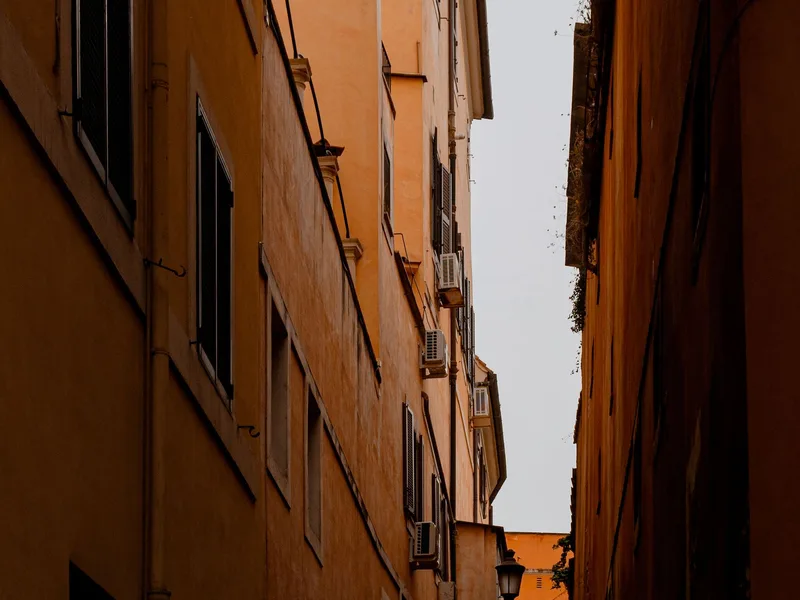
Monti
Künstlerisch, elegant, kultiviert
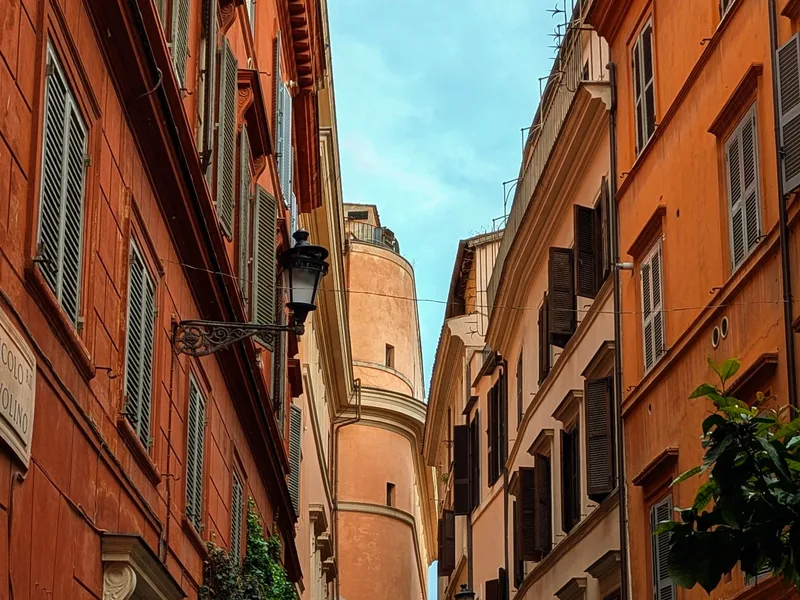
Centro Storico
Prachtvoll, historisch, touristisch, aber unverzichtbar
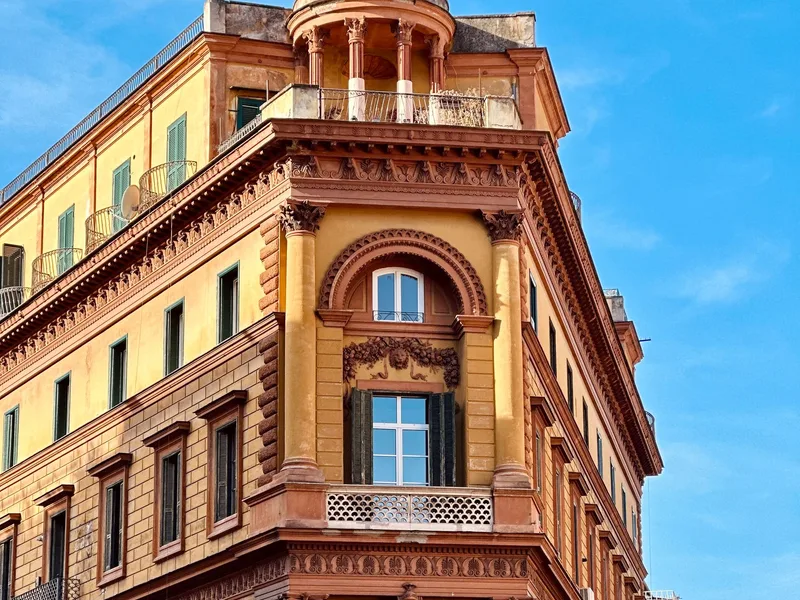
Testaccio
Authentisch, lokal, kulinarisch besessen

Pigneto
Kreativ, unabhängig, echt
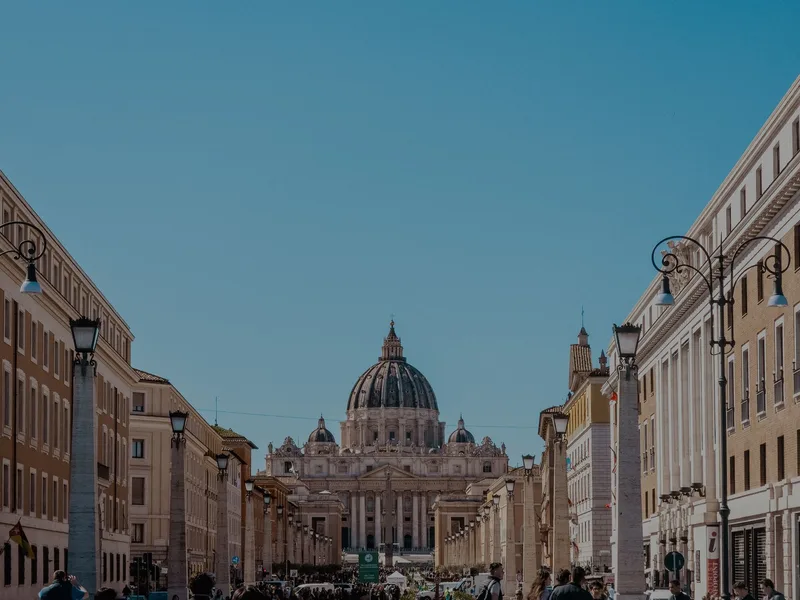
Prati
Elegant, wohnlich, geordnet
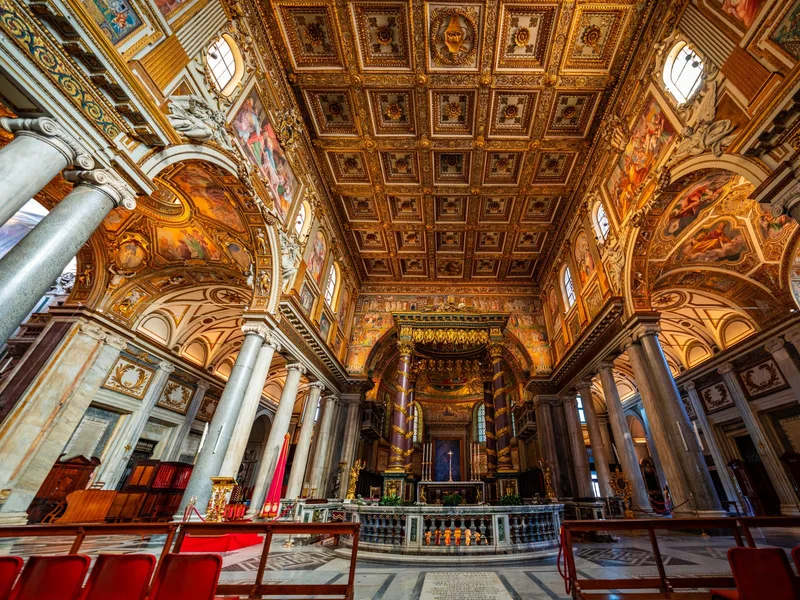
Esquilino
Weltoffen, vielfältig, bodenständig

San Lorenzo
Studentisch, unprätentiös, authentisch
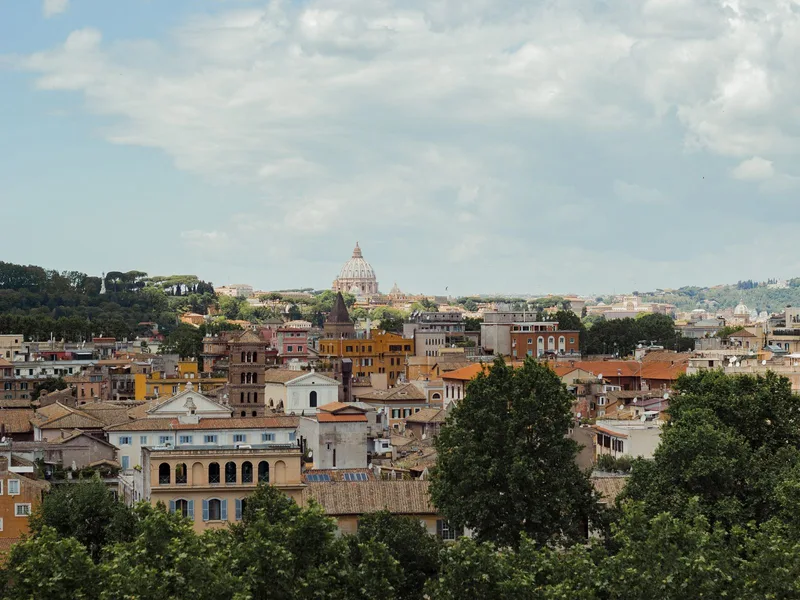
Aventino
Ruhig, elegant, wohnlich

Ostiense
Industriell, kreativ, nächtlich